
Card Sheet Trimming & Cutting: Smart Card Production Guide
Card Sheet Trimming & Cutting: Smart Card Production Guide
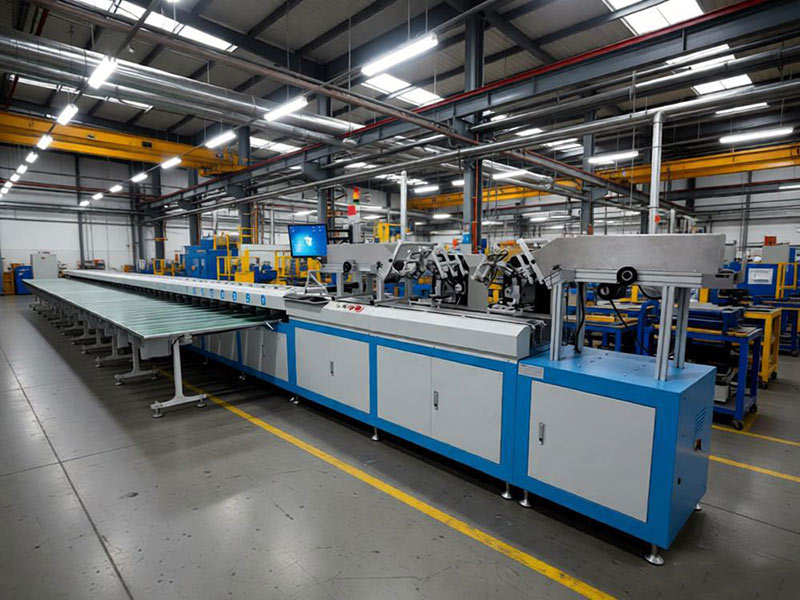
After lamination, a smart card sheet still looks like an oversized plastic plate. Turning it into individual cards — or into precise cavities ready for chip modules — requires a family of card sheet trimming, cutting, and punching machines. The right equipment determines edge quality, dimensional accuracy, and how cleanly the sheet separates before downstream personalization and packaging.
This guide explains the main finishing technologies used in smart card production, how they fit together, and what to compare when sourcing card sheet trimming machines, card sheet cutting equipment, and card punching systems.
1. Why Sheet Trimming and Cutting Matters
Smart cards start as laminated sheets of PVC, PET, or polycarbonate. A standard sheet might carry 12, 24, or 40 card layouts. The finishing stage must:
- Separate individual cards without burrs or cracks.
- Hold tight tolerances on length, width, and corner radius.
- Protect embedded antennas, chips, and magnetic stripes from mechanical stress.
- Keep throughput aligned with upstream lamination and downstream personalization.
A mismatch here creates rework, card rejection, and bottlenecked output. Buyers often underestimate how much finishing affects total line efficiency.
2. Card Sheet Cutting Technologies Compared
| Technology | Best For | Typical Throughput | Key Advantage |
|---|---|---|---|
| Hydraulic die cutting | High-volume PVC/PET card sheets | 1,000–5,000 sheets/hour | Clean edges, low cost per card |
| Rotary shear cutting | Continuous rolls and thin sheets | Up to 10,000 sheets/hour | Very fast, minimal setup time |
| Guillotine/sheet trimmer | Prelam and oversize sheets | 500–2,000 sheets/hour | Precise edge trimming, low waste |
| CNC slot milling | Contact chip cavities | 600–4,000 cards/hour | Accurate cavity depth and shape |
Most production lines combine at least two of these: a sheet trimmer for edge cleanup, then a die cutter or punch for final card separation, and a dedicated slot miller for contact-chip cavities.
3. Card Slot Milling vs. Punching
Contact smart cards need a cavity to hold the chip module. This is typically done by slot milling rather than punching because:
- Milling controls depth precisely (critical for ISO/IEC 7816-1 compliance).
- It does not crush the substrate or damage the embedded antenna.
- Tool wear is predictable and easy to monitor.
Some all-in-one systems mill, implant, and bond the module in one pass. For buyers who need to integrate multiple steps, ZOWINDA offers an Automatic Milling & Implanting Machine that combines cavity milling and module placement to reduce handling and alignment errors.
4. What to Compare When Buying
- Sheet size compatibility: Can the machine handle your largest lamination format (e.g., 3x7, 4x8, or 5x10 layouts)?
- Card thickness range: 0.5 mm to 1.0 mm is standard, but some ID cards run thicker.
- Corner radius: ISO 7810 ID-1 cards use a 3.18 mm radius; custom cards may differ.
- Registration accuracy: Look for +/-0.05 mm or better to avoid misaligned chips or antennas.
- Tool change time: Quick-change die sets reduce downtime when switching card formats.
- Integration: Can the cutter feed directly into a sorter, personalization unit, or mailing line?
Edge finishing and dimensional stability are often the difference between a line that runs at 80% yield and one that runs at 98% yield.
5. Integrating Trimming, Cutting, and Module Placement
After cutting, the card moves to chip implanting, electrical testing, and personalization. For smooth flow, the cutting machine should communicate with downstream stations via:
- Conveyor or robot transfer with vision alignment.
- Common reject bin routing for bad cards detected upstream.
- Production counters and status signals for the MES.
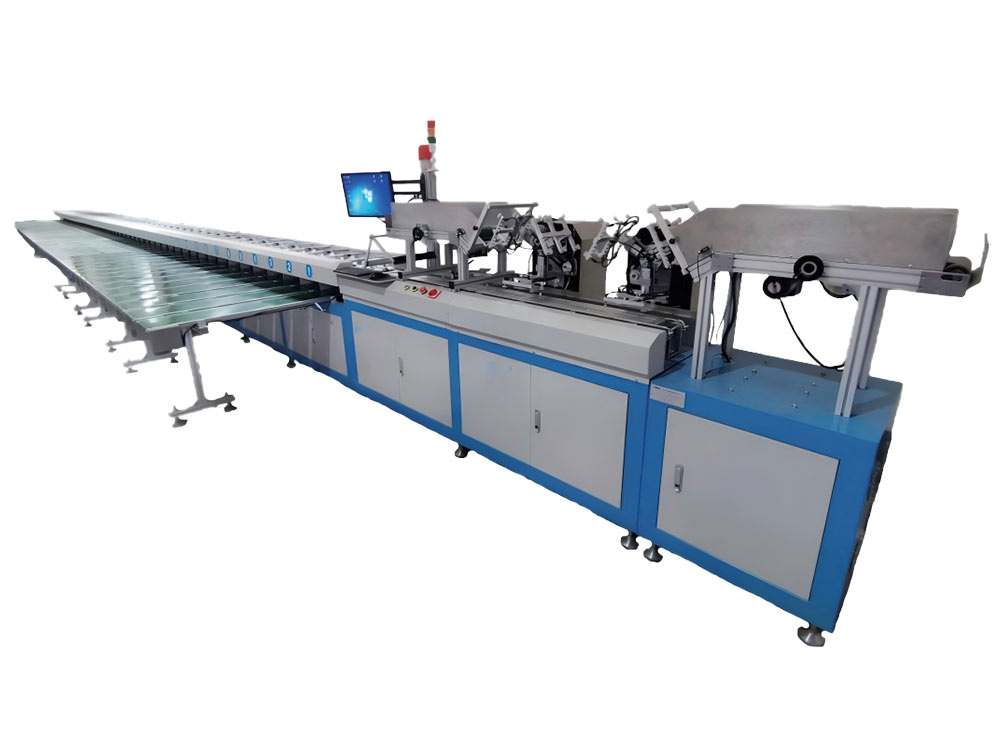
ZOWINDA's Automatic IC Module Implanting Machine and Auto Patch Pick and Place Machine are designed to take cards from the trimming/cutting stage and place modules or other components with high repeatability.
6. Frequently Asked Questions
What is the difference between a card sheet trimmer and a card cutter?
A trimmer removes excess material from the edges of a laminated sheet. A cutter or punch separates the sheet into individual cards. Many lines use both.
Can one machine trim, cut, and mill slots?
Integrated systems exist, but most high-volume lines use separate stations for best accuracy and easier maintenance. Milling and implanting are often combined.
What materials are best for card sheets?
PVC, PET, and polycarbonate are common. PVC is cost-effective; PET and PC offer better heat resistance and durability for premium cards.
How fast should a card cutting line run?
Throughput depends on sheet size, card layout, and cutting method. A well-balanced line typically matches or slightly exceeds upstream lamination speed.
Why is registration accuracy so important?
Poor registration causes chips or antennas to sit off-center, leading to contactless read failures, visual defects, and card rejection.
7. Get the Right Finishing Equipment
ZOWINDA designs card production equipment for manufacturers that need consistent quality at scale. From sheet trimming to cutting, slot milling, and module placement, our machines are built to keep the finishing stage aligned with the rest of the line.
Need a card sheet trimming or cutting machine for your line? Contact ZOWINDA for specifications, layout recommendations, and a tailored quote.
Email: [email protected]
WhatsApp: +86 186 2085 0485
 Auto COB Pick and Placer Machi
 Auto Hole Punching Machine – P
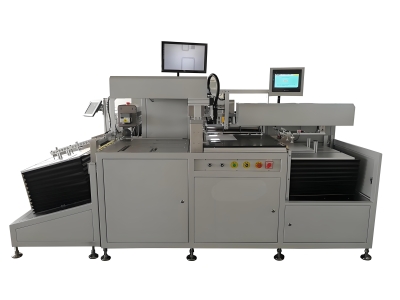 Auto Sheet Shearing Machine -
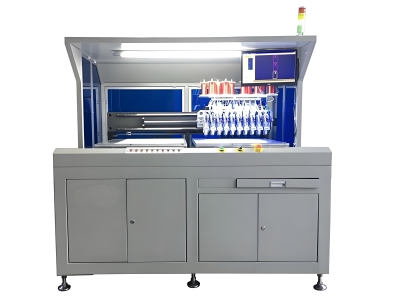 Auto Antenna Embedding Machine
Please contact us with your request
We are ready to answer your questions.