
Envelope and Card Sorting Systems: Throughput and Architecture Comparison
Envelope and Card Sorting Systems: Throughput and Architecture Comparison
Sorting is the final quality gate before cards, envelopes, or documents ship. Whether you run a mail-center envelope operation or a card personalization line, the right sorter determines your ceiling on throughput and accuracy. This comparison looks at the two dominant architectures — cross-belt and diverging (Z-type) — and how to size them for your operation.
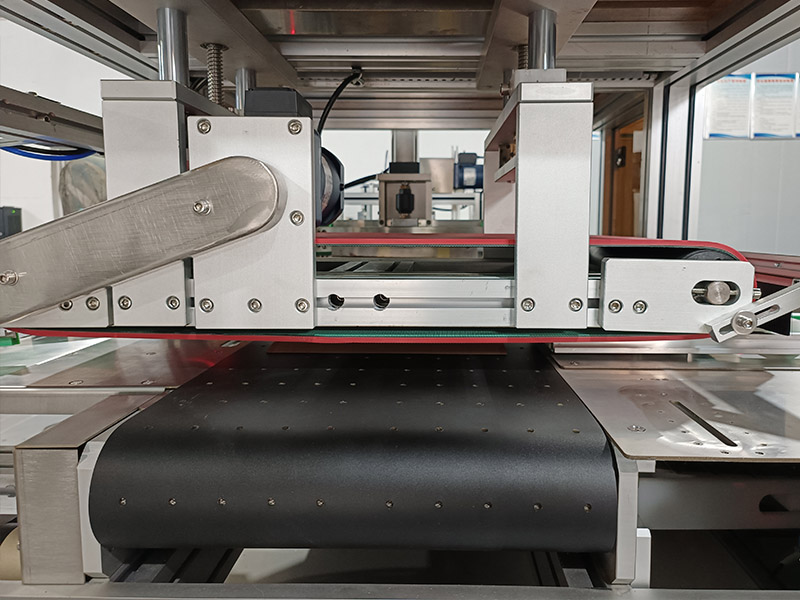
Why Sorting Is a Throughput Bottleneck
Personalization and embedding machines can run fast, but if the sorter downstream cannot keep pace, WIP piles up and labor costs spike. A sorter that matches upstream speed is what turns a collection of machines into a production line.
Cross-Belt vs Diverging (Z-Type) Sorting
| Dimension | Cross-Belt Sorter | Z-Type Diverging Sorter |
|---|---|---|
| Typical throughput | 8,000–10,000 items/hour | 3,000–6,000 items/hour |
| Item types | Cards, envelopes, flat items | Envelopes, documents, flexible mail |
| Footprint | Larger (loop layout) | Compact, linear |
| Best use | High-volume card lines | Mail centers, variable formats |
| Changeover | Moderate | Fast |
For high-volume card personalization, a compact cross-belt system at 8,000–10,000 parcels/hour is the standard. For envelope and document operations with mixed formats, a diverging (Z-type) sorter offers a smaller footprint and fast changeover.
Envelope Sorting in Practice
Envelope sorting systems read, classify, and route envelopes to bins or downstream stations. An intelligent envelope sorting system adds vision or barcode reading and rejects misfed or unreadable items automatically, protecting downstream accuracy.
Specification Checklist
- Rated throughput — items/hour at your real mix, not best-case
- Reading method — barcode, OCR, or vision, matched to your items
- Reject handling — automatic diversion of problem items
- Bin/divert count — enough destinations for your routing rules
- Integration — upstream personalization and downstream packaging
Explore ZOWINDA Sorting Equipment
- Efficient and Customizable Envelope Sorting Machine — flexible mail sorting
- Intelligent Envelope Sorting System — vision-guided routing
- Card Sorter Buyer’s Guide: 3000 vs 8000 CPH — deeper throughput analysis
Frequently Asked Questions
Which throughput do I actually need?
Size the sorter to your upstream machine’s sustained output plus headroom for peaks. A personalization line at 6,000 cards/hour needs a sorter rated above that — a compact cross-belt at 8,000–10,000 CPH is the safe choice.
Can one sorter handle both cards and envelopes?
Cross-belt systems handle both flat cards and envelopes well. Dedicated envelope operations with many formats often prefer a diverging sorter for faster changeover.
How does intelligent sorting improve yield?
By automatically rejecting misread or misfed items and routing good items correctly, intelligent systems cut manual re-sorting and downstream errors.
Planning a sorting stage for your line? See the intelligent envelope sorting system or talk to ZOWINDA engineering about throughput sizing.
 Auto COB Pick and Placer Machi
 Auto Hole Punching Machine – P
 Auto Sheet Shearing Machine -
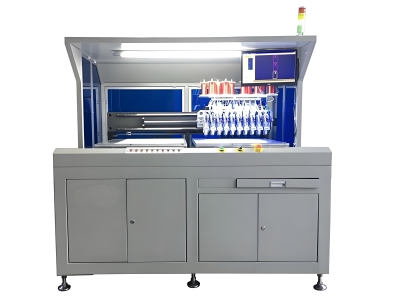 Auto Antenna Embedding Machine
Please contact us with your request
We are ready to answer your questions.