
Reader Slot Contamination: Why Good Cards Fail at the Terminal
Smart Card Manufacturing Notes
Reader Slot Contamination: Why Good Cards Fail at the Terminal
Published: November 25, 2026 | ZOWINDA Application Engineering
A card that works at the desk and fails in the field is usually investigated as a card problem. The reader slot tells a different story. Every insertion drags a little material across the contact plate: paper fibre from a pocket, skin oil, ink residue, silicone from a polish applied to the housing, or a film left by an aggressive cleaner. The layer is thin enough that the reader still detects the card, and thick enough that contact resistance rises when the plate is warm or damp. The fault looks random because it follows the maintenance history of the terminal, not the serial number of the card.
What the Slot Actually Collects
Separate debris into three families. Dry particles include dust, paper fibre and fragments of adhesive labels; they mechanically lift the card off its intended plane and can scratch a printed overlay. Soft films include skin oil, sebum and silicone transfer; they spread under pressure and pick up the dry particles that follow. Ionic residues come from detergents, disinfectants and sweat; they are invisible, survive a visual inspection and become conductive when the air is humid. Each family needs a different cleaning method, which is why one wipe for all terminals rarely solves a recurring fault.
The contact plate is the most sensitive surface in the slot. Reader contacts are designed to wipe through a thin oxide and reach metal, but a film of oil plus dust defeats that wiping action. Under a small normal force, the film is squeezed into the contact asperities and the resistance rises milliohms at a time. A card with a generous contact area may still work; a card at the tolerance limit fails first. That is why replacing cards often appears to fix the problem temporarily: the new card has a cleaner surface and presses through the film for a few dozen cycles before it, too, becomes a witness to the same contaminated reader.
Card-side contamination also exists and should not be ignored. Ink or varnish from the card face can transfer to the slot and back onto the next card, especially when a personalisation step leaves a raised print area near the contact. Overlay residue from a die-cut edge, adhesive squeeze-out near a module, and anti-static sprays used in the card plant all leave signatures in the reader. When a terminal is cleaned and the fault returns within days, look at what the card population is depositing rather than at the cleaning interval alone.
Environment decides how fast a film becomes a fault. High relative humidity turns ionic residue into an electrolyte and accelerates corrosion at biased contacts. Cold, dry air hardens oils so they behave more like an abrasive paste. A terminal near a kitchen, clinic or factory entrance sees a completely different contamination rate from the same model in an office corridor. A useful maintenance plan is therefore based on insertion count and environment, with a shorter interval for exposed locations, rather than a fixed calendar date applied everywhere.
Five Steps to Diagnose a Slot Problem
- Prove which side owns the fault. Test the returned card in at least two readers with different service histories, then test a known-good reference card in the suspect terminal. A fault that follows the terminal is a maintenance problem, not a card lot problem.
- Inspect the plate before cleaning it. Photograph the contact area at fixed magnification and record insertion count. Cleaning before inspection destroys the evidence that explains the failure pattern.
- Identify the contamination family. Dry particles respond to extraction and a lint-free wipe; oils and silicones need a solvent chosen for the contact plating; ionic residue needs a rinse and a verified dry step. Match the method to what you found.
- Measure contact resistance through a cycle. Log resistance over repeated insertions rather than at a single point. A rising trace with cycle number indicates a film; a stable high value points to a worn or damaged plate.
- Set an interval from data, not from habit. Tie the cleaning frequency to insertion count, environment and measured resistance trend, then audit the result with the same reference card after each service visit.
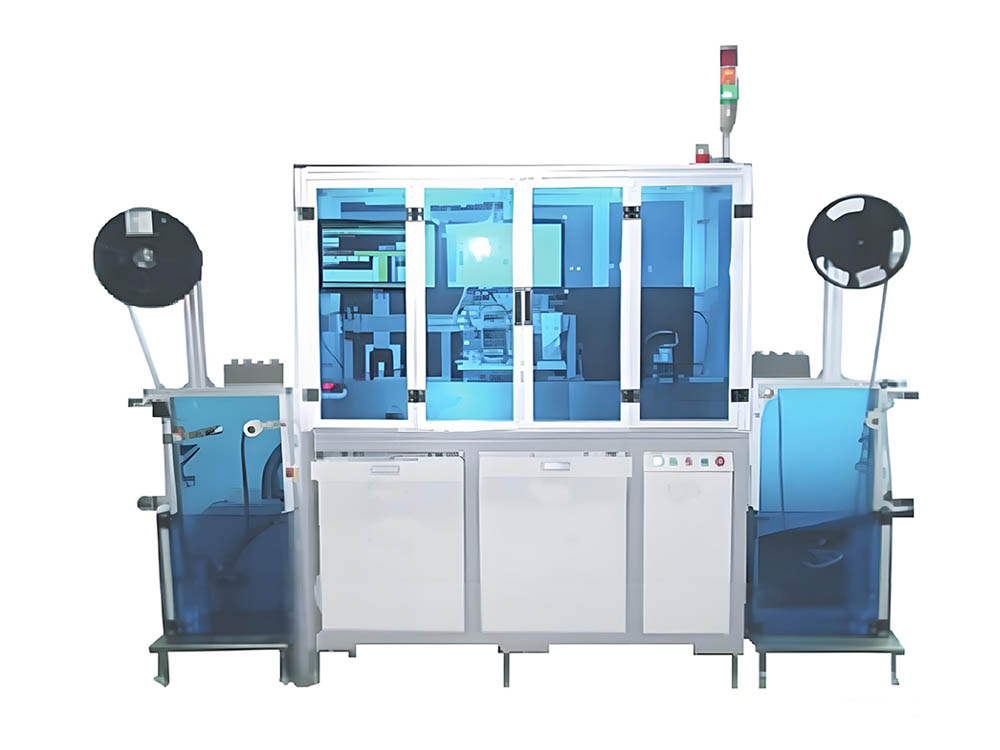
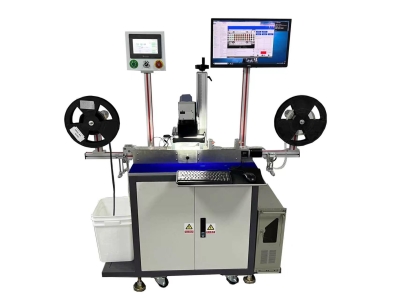
Electrical test equipment measures the card side of the interface; the reader side has to be controlled by a documented slot maintenance plan. Equipment: Automatic Module Testing Machine for Smart Card IC Modules.
Failures That Look Like Card Defects
✓ Intermittent no-read on first insertion
A film on the contact plate delays stable contact. The second insertion wipes it enough to work, so the user reports an unreliable card while the reader is actually at fault.
✓ Resistance drift after a shift
Warmth and humidity make ionic residue conductive. Cards measure perfectly in the morning and fail in the afternoon in the same terminal.
✓ Scratches along the contact edge
Dry grit trapped in the slot turns every insertion into a lapping operation. The card overlay shows a consistent scratch line and the card is blamed for poor abrasion resistance.
✓ Good cards failing at one location only
A cleaning spray applied to the housing has migrated onto the plate. The fault appears at a single site and disappears when that site is serviced.
Reference Checks for Slot Maintenance
These checks describe a diagnostic programme, not a universal maintenance contract. Contact geometry, plating, reader design and local environment change the limits, so set acceptance values from a reference card that has been measured on a known-clean reader.
Where the Diagnosis Saves Money
Treating a contaminated slot as a card quality problem creates returns, reissues and engineering time with no lasting fix. A small amount of measurement at the terminal turns the same event into a maintenance record.
- Transit gates where a single busy entrance generates most of the no-read complaints.
- Hospital badge readers exposed to disinfectant wipe residue and frequent hand contact.
- Access-control terminals at an outdoor entrance where humidity changes through the day.
- Card plants that need to prove a returned card is healthy before accepting a warranty claim.
- Fleet operators tracking contact resistance trends across hundreds of installed readers.
Frequently Asked Questions
Can cleaning the card fix a no-read?
It can help once, but if the terminal is contaminated the card will pick up a new film on the next insertion. Always check the reader with a reference card before sending a card back to the customer.
Is isopropyl alcohol safe on reader contacts?
It is common, but it must be approved for the plating and used without additives, then fully dried. Repeated wetting of a plastic housing can also drive residue into the slot, so apply it to the wipe rather than into the reader.
How often should a terminal be serviced?
From measured insertion count and environment rather than a fixed date. A busy exposed site may need service weekly while an office reader can run for months; the resistance trend tells you which case you have.
Next Step
More equipment in this range is listed on the ZOWINDA CardMachine product page, and related application notes appear in our Industry News section.
Related reading:
- IC Module Adhesive Dispense: Volume, Flow and Cavity Seal
- Card Edge Notch Milling: Depth, Stress and Crack Initiation
- Contact Plate Life: Wear, Fretting and Resistance Drift
- Card Surface Ink Abrasion: Rub Counts vs Real Wear
- Card Body Chemical Resistance: Disinfectants, Sweat and Cleaning Agents
- SIM Cards in Wearables: Micro-Motion Fretting in a Damp World
Ready to boost your production efficiency?
Contact us for a tailored solution and quotation on inlay production, card testing and personalisation equipment.
Email: info@zowinda.com
WhatsApp: +86 186 2085 0485
 Card Edge Notch Milling: Depth
 Reader Slot Contamination: Why
 IC Module Adhesive Dispense: V
 Smart Card Retirement: Data De
Please contact us with your request
We are ready to answer your questions.