
Machine Vision Inspection for Printed Smart Cards: Catching Defects at Line Speed
Machine Vision Inspection for Printed Smart Cards: Catching Defects at Line Speed
Published: 2026-08-19
A personalized card carries someone's identity, balance, or access rights — a smudged number or swapped photo is not a cosmetic issue, it is a failure. Machine vision inspection stations sit at the end of the personalization line and examine every card surface: print quality, color registration, OCR of embossed or printed data, and match against the source record. This guide explains what these systems check and why they are now mandatory for compliant issuance.
What Vision Systems Actually Verify
Modern card vision uses high-resolution line-scan or area cameras with controlled lighting to catch what the human eye misses at speed. They flag ink splatter, color shifts, missing or doubled characters, and mis-registered overlays. Critically, they perform OCR and data matching: the printed or embossed PAN, name, or serial is read and compared to the personalization record, so a mismatched card is rejected before it leaves the factory. Multi-camera setups inspect front, back, and edge in a single pass.

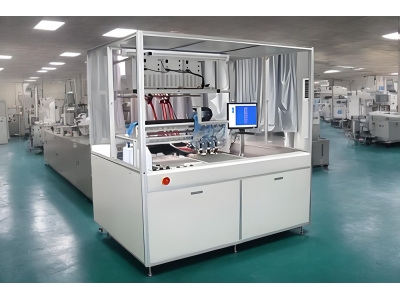
A multi-camera vision inspection station scanning both faces of personalized cards on the line.
Inspection Capabilities
Print Quality & Color
Detects splatter, streaks, and delta-E color drift against the approved master image.
OCR & Data Match
Reads printed/embossed fields and verifies them against the source record to block mismatches.
Feature & Security Checks
Confirms holograms, signatures, and UV features are present and correctly placed.
Defect Archive & Stats
Stores rejected-card images with reason codes for continuous process improvement.
System Parameters
Ready to upgrade your production line?
Contact us for a tailored solution and quotation
Email: info@zowinda.com
WhatsApp: +86 186 2085 0485
 Revolutionizing the Contactles
 Auto Hole Punching Machine - T
 Partner 5
 PT087 Passport Bending Fatigue
Please contact us with your request
We are ready to answer your questions.