
Smart Card Standards Demystified: ISO 7816, ISO 14443, EMV and What Buyers Must Know
Smart Card Standards Demystified: ISO 7816, ISO 14443, EMV and What Buyers Must Know
Published: 2026-08-13 | Zowinda Industry News
Standards are what make a smart card work in a reader, a payment terminal or a national ID system anywhere in the world. For equipment buyers, knowing which standards apply decides what kind of personalization, encoding and testing hardware you actually need.
Why Standards Decide Your Equipment
A smart card is useless if it cannot interoperate with the ecosystem it targets. The physical dimensions, electrical contacts, RF protocol and application layer are all standardized. Buying production equipment without mapping the target standards risks building cards that readers reject - an expensive mistake discovered only at deployment.
ISO 7816: The Contact Standard
ISO/IEC 7816 defines contact smart cards: the gold contact pad layout, electrical characteristics, transmission protocol and file structure. It governs banking chips, SIMs and many government IDs. Equipment must support contact-module mounting and contact-based personalization/verification.
ISO 14443: The Contactless Standard
ISO/IEC 14443 defines proximity contactless cards at 13.56 MHz (Type A and Type B). It underpins transit, access control and tap-to-pay. Contactless personalization encodes the chip over the air after lamination, and production lines need antenna-compatible inlay handling plus RF encoding stations.
EMV: The Payment Application Layer
EMV is not a physical standard but an application specification layered on top of ISO 7816/14443 for payment cards. EMV personalization requires secure key injection and strict data formatting. Payment-card lines must support EMV-compliant encoding and often dual-interface chips.
Dual-Interface and What It Changes
Dual-interface cards carry both contact and contactless capability in one chip, serving the widest range of terminals. Manufacturing them means a line must handle both personalization paths and verify both interfaces. Our dual-interface vs contact manufacturing guide details the process differences.
Buyer's Certification Checklist
Before specifying a line, list your target markets and applications, then map each to its standards (7816, 14443 Type A/B, EMV, plus regional ID specs). Confirm the equipment supports the required personalization, encoding and verification, and ask for evidence of compliant output on sample cards.
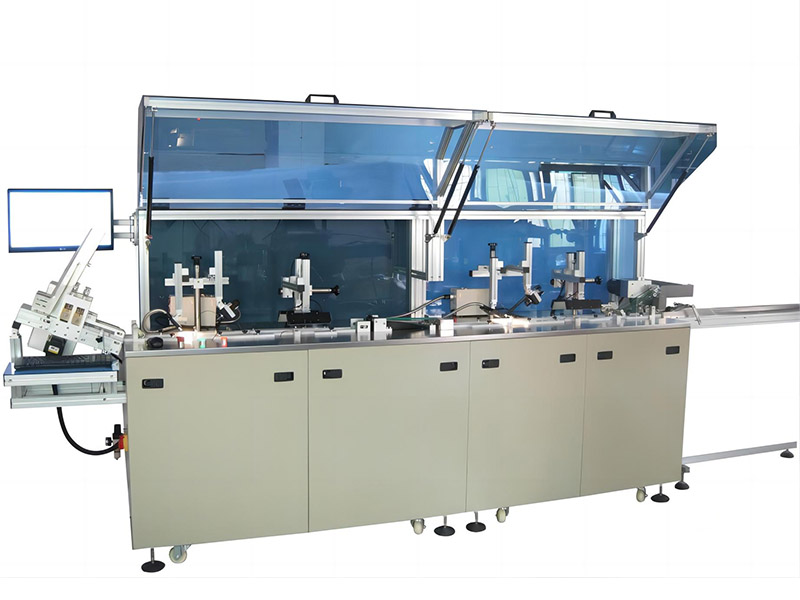
Zowinda smart-card production equipment on the manufacturing floor.
Key Takeaways
Standards Mapping
Match target applications to 7816 / 14443 / EMV requirements.
Dual-Interface Ready
Lines handle both contact and contactless personalization.
Compliant Encoding
EMV and ISO application data formatted correctly.
Verifiable Output
Sample cards demonstrate standard-compliant reads.
At a Glance
Frequently Asked Questions
Is EMV a physical card standard?
No. EMV is an application specification for payment cards built on top of the ISO 7816 (contact) and ISO 14443 (contactless) physical standards. Compliance is about data formatting and secure personalization, not card shape.
Do I need dual-interface support?
If your cards must work in both insert (contact) and tap (contactless) terminals - common for payment and multi-use ID - then yes. Dual-interface chips serve both and require a line that can personalize and verify both paths.
What fails if standards are ignored?
Cards may be unreadable by target terminals, rejected at issuance, or fail certification. The cost appears at deployment, not at the factory, which is why standards mapping should precede equipment purchase.
How do I confirm a line is standards-compliant?
Request sample output cards and test them on reference readers for each target standard, and review the personalization/encoding modules against the relevant ISO and EMV requirements.
Related Resources
Dual-Interface vs Contact Manufacturing » | RFID & NFC Manufacturing Process » | Card Issuance System Architecture » | FAQ: Smart Card Equipment » |
Need a tailored card production line?
Contact Zowinda for equipment selection, quotation and turnkey lines.
Email: info@zowinda.com
WhatsApp: +86 186 2085 0485
 NFC Operating Modes Explained:
Smart Card Data Encoding Forma
UHF RFID vs BLE for Asset Trac
NFC Operating Modes Explained:
Smart Card Data Encoding Forma
UHF RFID vs BLE for Asset Trac
 Smart Card Types and How They
Please contact us with your request
We are ready to answer your questions.