
Intelligent Envelope Sorting System: Automating Mail Rooms Without Sacrificing Accuracy
Intelligent Envelope Sorting System: Automating Mail Rooms Without Sacrificing Accuracy
Published: 2026-08-06 | Zowinda Technology | Industry News
Mail volume has changed shape rather than disappeared. Statements, policy documents, regulatory notices, cards and secure correspondence still move in large batches - and they arrive with tighter deadlines and stricter audit expectations than ever. Manual sorting simply cannot deliver that combination at scale.
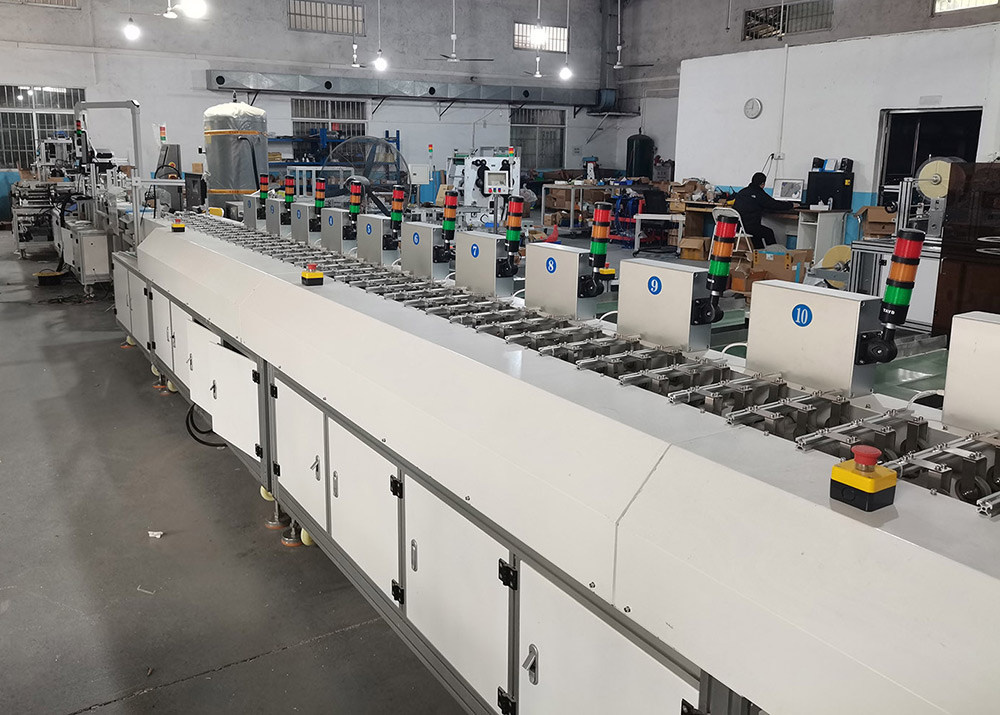
Intelligent Envelope Sorting System - engineered by Zowinda Technology for continuous industrial operation.
The Hidden Cost of Manual Envelope Sorting
A trained operator sorts roughly 800 to 1,200 envelopes per hour, and that rate declines measurably across a shift as fatigue accumulates. More importantly, manual sorting error rates typically sit between 1 and 3 percent.
In postal operations a misrouted envelope means a delayed delivery. In banking, insurance and healthcare it can mean a compliance breach, because a document containing personal data reaches the wrong recipient. The cost of a single such incident frequently exceeds a year of sorting labour.
Automation changes both variables at once. Throughput rises by an order of magnitude, and because routing decisions are made by OCR against a validated database rather than by human reading, accuracy becomes consistent across the entire shift.
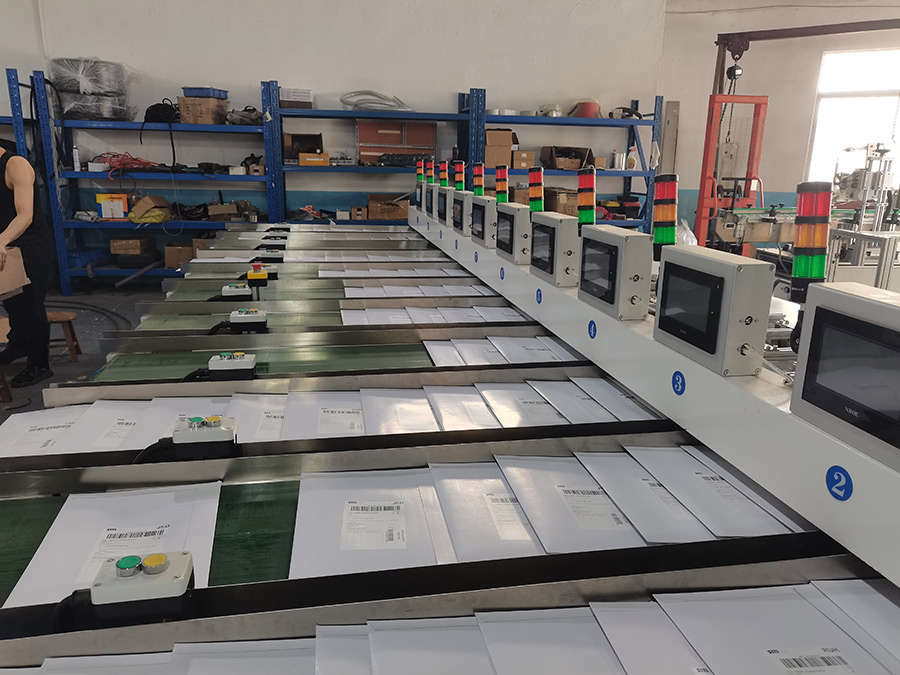
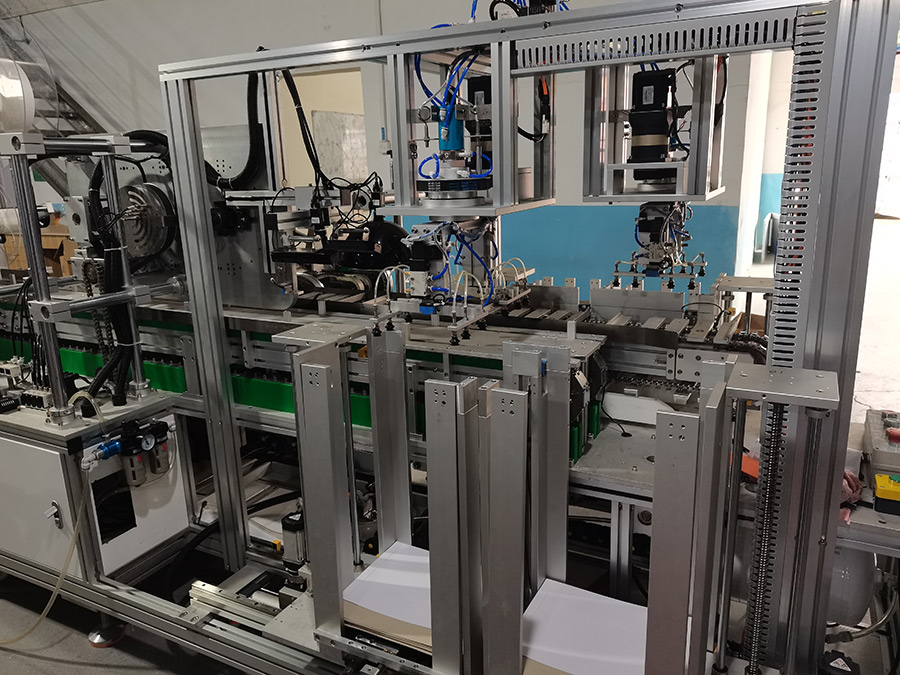
Close-up of the Intelligent Envelope Sorting System working section.
OCR Address Recognition and Intelligent Routing
The core of the system is its vision and recognition stage. High-resolution cameras capture each envelope in motion, and OCR engines extract the destination address, postcode, barcode or customer reference without stopping the transport.
Recognised data is matched against the routing database, and the system assigns the envelope to the correct output bin in real time. Handwritten addresses, non-standard layouts and low-contrast printing are handled by recognition models trained specifically on mail imagery.
Envelopes that cannot be resolved with sufficient confidence are not guessed at. They are diverted to a dedicated reject bin for operator review, which preserves the integrity of the sorted output and keeps the audit trail clean.
Key Capabilities at a Glance
High-Speed Automated Sorting
Processes envelope volumes an order of magnitude beyond manual capacity, with consistent performance across the full shift.
OCR Address Recognition
Reads printed and handwritten addresses, postcodes and barcodes in motion, matching against a validated routing database.
Gentle Friction Feeding
Adjustable separation handles thin letters through thick statement packs without creasing or jamming.
Double-Feed Detection
Identifies overlapping envelopes before they reach the sorting stage, preventing missorts and lost items.
Dedicated Reject Handling
Low-confidence items divert to a review bin rather than being guessed, protecting the integrity of sorted output.
Full Audit Logging
Every envelope is recorded with recognition result, bin, timestamp and exception reason for compliance reporting.
Gentle Friction Feeding Protects Document Integrity
Envelope handling is mechanically demanding because the media varies constantly: thin single-sheet letters, thick multi-page statements, window envelopes, card carriers and padded items may all appear in the same batch.
Adjustable friction feeding separates envelopes one at a time from the input stack, with pressure and gap tuned to the media. Double-feed detection identifies any instance where two envelopes travel together and halts or diverts before a document is missorted.
Because the transport path avoids sharp direction changes and pinch points, envelopes arrive at their bin flat and undamaged - important when the contents are legal, financial or medical documents that must remain presentable.
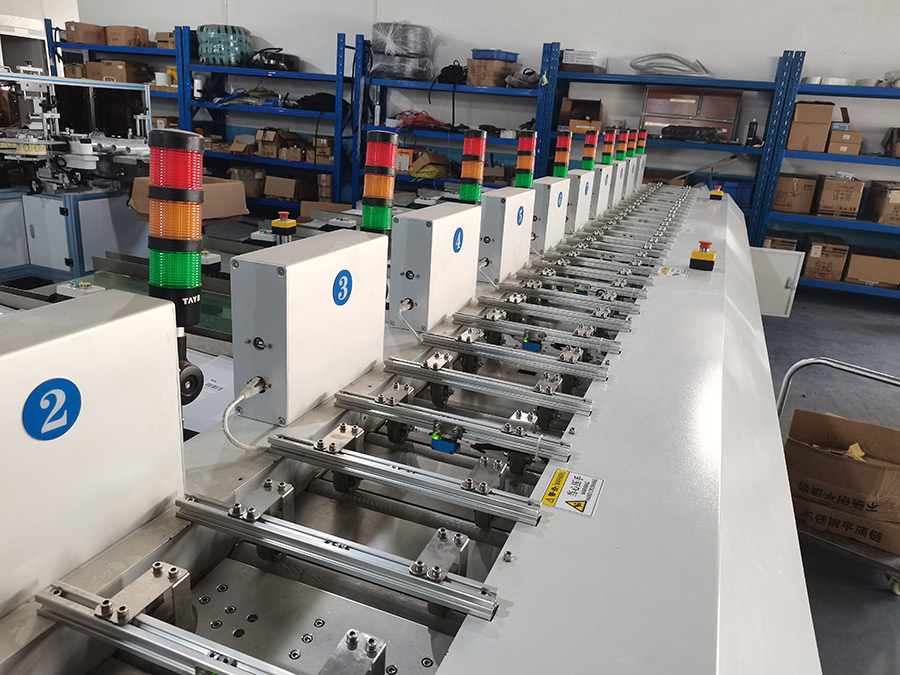
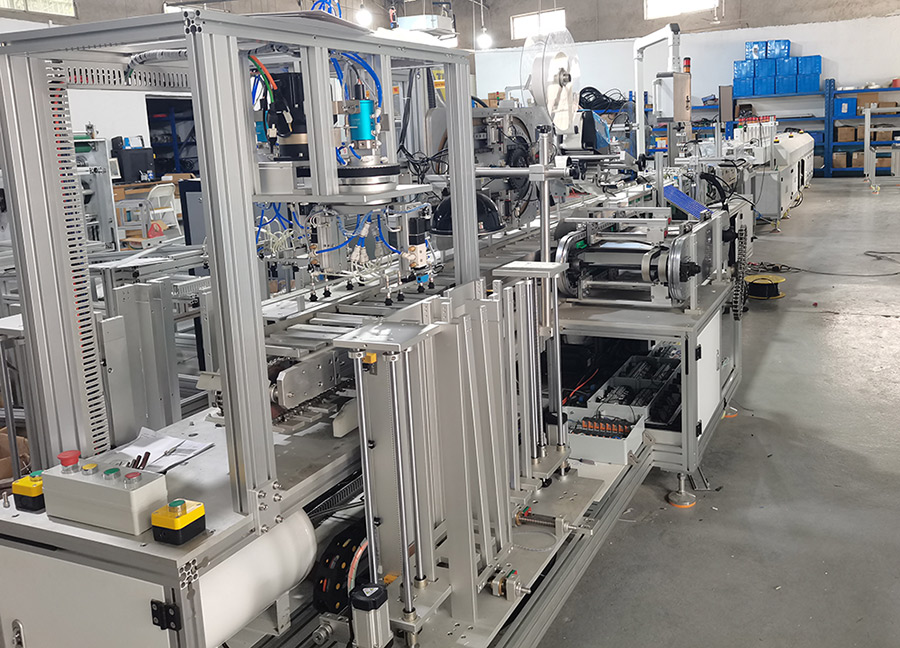
Operational view of the Intelligent Envelope Sorting System in a production environment.
Traceability, Reporting and Regulatory Compliance
Regulated industries need to demonstrate not just that mail was sorted, but that it was sorted correctly and that exceptions were handled. The system logs every envelope processed, including recognition result, assigned bin, timestamp and any reject reason.
These records can be exported to enterprise reporting platforms, giving supervisors real-time visibility into throughput, reject rates and operator interventions. Trends in reject causes often reveal upstream print or enveloping problems that would otherwise remain invisible.
For organisations subject to data-protection or financial-services rules, this audit trail converts the mail room from an unmonitored manual process into a documented, verifiable operation.
Technical Specifications
Equipment Gallery
Frequently Asked Questions
Can the system read handwritten addresses?
Yes. The OCR engine is trained on mail-specific imagery including handwritten and non-standard address layouts. Items that cannot be resolved with sufficient confidence are routed to a reject bin for operator review rather than being assigned by guesswork.
What happens when two envelopes feed together?
Double-feed detection identifies the overlap before the sorting stage. The system either halts the transport or diverts the pair for manual separation, which prevents an unread envelope from being missorted into an incorrect bin.
How many output bins can be configured?
Bin count is configured per application. Smaller corporate mail rooms typically use a compact configuration, while postal and regional distribution operations specify substantially more destinations. Routing logic is defined during commissioning.
Does the system support compliance auditing?
Every processed envelope is logged with its recognition result, assigned bin, timestamp and any exception reason. These records export to enterprise reporting platforms, providing the documented audit trail required in banking, insurance and healthcare mail operations.
Related Equipment
- Intelligent Envelope Sorting System - full product specifications and enquiry
- Dual Lane Sliding Shoe Sorter
- Efficient and Customizable Envelope Sorting Machine
Ready to Improve Your Production Efficiency?
Contact Zowinda Technology for a tailored solution, detailed specifications and a competitive quotation.
Email: [email protected]
WhatsApp: +86 186 2085 0485
 Edge-to-Edge Printing vs Borde
Card Stacking and Banding vs T
Hot-Stamping Foil vs Digital F
In-Mold Foil Decoration vs Pos
Edge-to-Edge Printing vs Borde
Card Stacking and Banding vs T
Hot-Stamping Foil vs Digital F
In-Mold Foil Decoration vs Pos
Please contact us with your request
We are ready to answer your questions.