
Smart Card Chip Recycling Machine CR3000 2026 | Zowinda
Smart Card Chip Recycling Machine CR3000 2026 | Zowinda
As smart card production scales up, so does the volume of rejected cards, test samples, and end-of-life modules that still contain usable IC chips. The Smart Card Chip Recycling Machine CR3000 from Zowinda is designed to recover these chips safely and efficiently, turning waste material back into production-ready components. In this 2026 guide, we explain how an IC chip recovery system works, why it is becoming essential for card manufacturers, and what makes the CR3000 a practical choice for high-volume recycling lines.
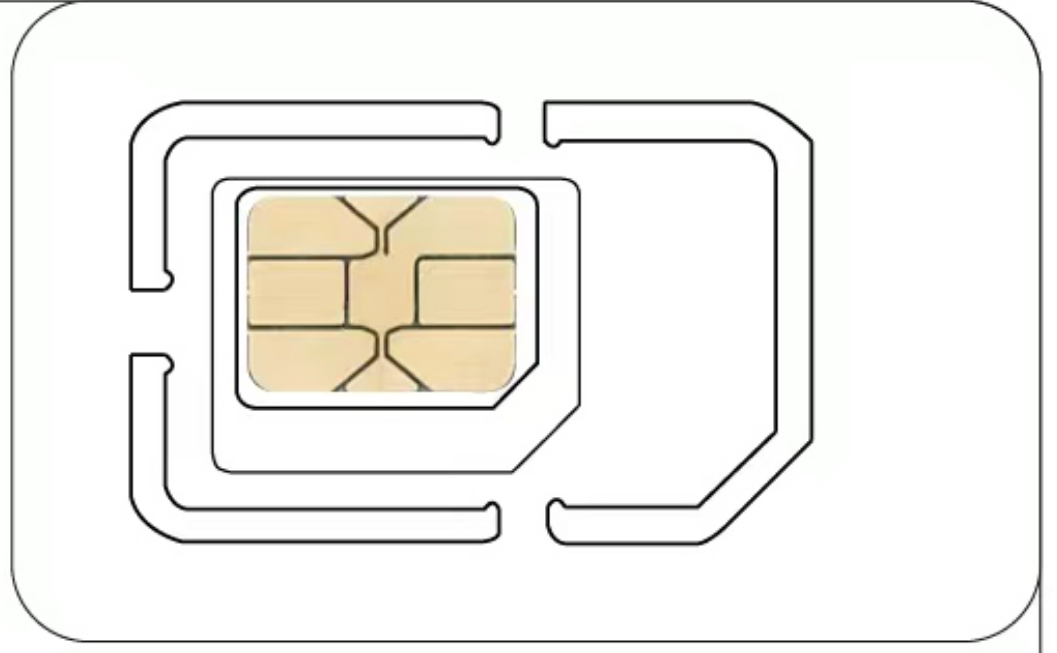
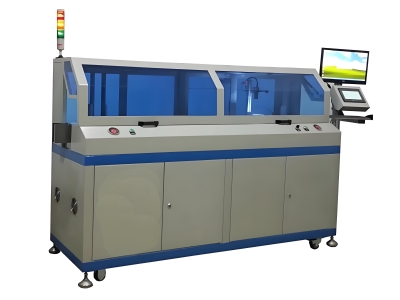
Smart Card Chip Recycling Machine CR3000 - automated IC chip recovery from Zowinda
Why Smart Card Manufacturers Need Chip Recycling Equipment
Every smart card factory generates a steady stream of cards that fail electrical test, visual inspection, or personalization. In many cases, the embedded IC chip itself is still fully functional; only the plastic body, antenna, or printed surface is defective. Throwing the entire card away means discarding valuable semiconductors that represent a significant share of the bill of materials.
A dedicated smart card chip recycling machine solves this problem by separating the chip module from the card body without damaging the die or contacts. The recovered chips can be retested, reballed if necessary, and fed back into module mounting or embedding processes. For factories running GSM SIM, banking cards, ID documents, and RFID tags, the savings add up quickly.
The financial case is straightforward. A single IC chip can cost anywhere from a few cents to several dollars depending on cryptography, memory size, and operating system. When a plant produces hundreds of thousands of cards per month, even a two or three percent reject rate creates a large pool of potentially reusable chips. A card chip recycling system can pay for itself in months by converting scrap into usable inventory rather than purchasing new components.
Beyond direct cost reduction, recycling also supports environmental compliance and customer sustainability targets. E-waste regulations in Europe, North America, and parts of Asia increasingly require producers to minimize landfill disposal of electronic components. Many card issuers now ask suppliers for recycled-content or waste-reduction documentation. A smart card chip recycling machine helps manufacturers document material recovery and reduce their overall environmental footprint, turning a cost center into a sustainability story.
How the CR3000 IC Chip Recovery System Works
The CR3000 is an automated recycling workstation that handles the full recovery cycle: card feeding, precision milling or heating, chip extraction, contact cleaning, and sorted collection. The machine accepts rejected cards in standard ISO formats and processes them at a controlled pace to protect the delicate IC modules inside.
The typical workflow starts with a vibrating feeder or manual magazine that loads cards one by one. A vision or mechanical alignment stage positions the card so that the chip cavity is exactly under the recovery tool. Depending on the card construction, the machine either mills away the plastic around the module or applies localized heat to soften the encapsulant. Once the chip is free, a vacuum pickup or soft gripper transfers it to a cleaning station.
At the cleaning station, residues such as glue, epoxy, or card substrate particles are removed using a combination of mechanical brushing and ionized air. Recovered chips are then placed in output trays or tape-and-reel carriers, ready for retesting and reuse. The entire process is monitored by sensors that reject damaged or incomplete modules automatically, ensuring only viable components move forward.
Key Features and Production Benefits
The Zowinda CR3000 is engineered for factory-floor reliability rather than laboratory-scale recovery. Its design priorities are throughput, operator safety, and compatibility with common smart card materials.
- High recovery rate: Calibrated tooling and gentle handling maximize the percentage of chips recovered without cracked dies or lifted pads.
- Modular tooling: Quick-change fixtures and milling bits accommodate different card thicknesses, chip sizes, and encapsulant types.
- PLC-controlled operation: A touch-screen HMI stores multiple recipes, so switching between SIM, banking, and ID card formats takes only minutes.
- Integrated safety guarding: Protective covers, emergency stops, and dust collection keep the workstation compliant with industrial safety standards.
- Compact footprint: The CR3000 fits into existing production areas without requiring a dedicated cleanroom.
- Traceable output: Optional counters and batch reporting help quality teams track how many chips were recovered from each production lot.
By feeding recovered chips back into front-end processes, manufacturers can reduce raw chip purchases, shorten procurement lead times, and improve margins on low-yield batches. The machine also reduces the volume of scrap material that must be stored, transported, or disposed of as electronic waste.
From a return-on-investment perspective, the CR3000 is most valuable in plants with steady volumes and mixed product lines. The more cards a facility produces, the more reject material is available for recovery. Plants that run frequent changeovers also benefit because the quick recipe change reduces downtime between card formats.
Technical Parameters at a Glance
Integrating Recycling Into Your Quality Workflow
The CR3000 is not an isolated machine. It performs best when it is part of a closed-loop quality system. Rejected cards from electrical test stations, personalization audit samples, and customer returns can all be routed to the recycling station. Once chips are recovered, they should pass the same incoming inspection as new components before re-entering production.
A typical closed-loop workflow looks like this: cards that fail final test are marked with a reject code and collected in a locked bin. At scheduled intervals, the rejected cards are loaded into the CR3000, which records the batch number and operator. Recovered chips are visually inspected, electrically tested, and sorted into trays labeled by chip type. Approved chips are transferred to the module mounting or embedding station, while damaged chips are sent to an approved e-waste recycler.
This workflow gives quality managers full traceability. They can compare reject rates by product, shift, or machine, and they can measure the percentage of chips recovered versus scrapped. Over time, the data can also highlight upstream problems, such as a particular embedding station that produces more delamination or a personalization step that damages contacts.
Related Zowinda Smart Card Production Equipment
The CR3000 works best when integrated with other stages of the smart card production line. For manufacturers building a complete workflow, Zowinda offers matching equipment for inlay production, quality testing, and final personalization.
Before chips are embedded, an integrated inlay manufacturing system creates the antenna or coil structure that the recovered chip will later connect to. After embedding, an ICC backside spot pressure tester verifies mechanical adhesion and contact integrity. For contactless products, an RFID NFC card frequency test machine confirms that tuned antennas and chips communicate at the correct 13.56 MHz frequency.
Frequently Asked Questions
What types of chips can the CR3000 recover?
The CR3000 is designed for standard smart card IC modules used in SIM cards, banking cards, ID cards, and RFID tags. It handles both contact and contactless modules as long as they are embedded in conventional PVC, PET, or composite card bodies. The key requirement is that the chip module is accessible from the card surface or can be exposed with standard milling.
Is the recovered chip quality reliable for reuse?
When operating parameters are set correctly, the recovery rate of usable chips is high. Each recovered chip should still pass electrical and visual inspection before re-entering production. The CR3000's gentle handling and automated rejection of damaged modules help maintain quality. For critical applications such as banking or government ID, many plants use recovered chips only in lower-security products or test samples.
Can the CR3000 be added to an existing production line?
Yes. The CR3000 has a compact footprint and standalone operation. It can be placed near the testing or personalization stations to process rejects immediately, or it can run in batch mode using collected scrap material. Power, compressed air, and exhaust requirements are standard for most factory environments.
What maintenance does the recycling machine require?
Routine maintenance includes cleaning the extraction tooling, replacing worn milling bits or gripper tips, checking vacuum filters, and verifying sensor alignment. Zowinda provides a maintenance schedule and spare parts recommendations with each machine. Most wear items are quick to replace and do not require specialized technicians.
Does Zowinda offer training and installation support?
Yes. Zowinda provides installation supervision, operator training, and technical documentation for the CR3000 and related smart card equipment. Remote support is also available for software and process troubleshooting. For customers who need faster response times, Zowinda can recommend a local service partner or supply a spare-parts package tailored to expected production volume.
Conclusion
The Smart Card Chip Recycling Machine CR3000 gives manufacturers a practical way to recover value from rejected cards while supporting sustainability goals. With automated feeding, precision extraction, and gentle cleaning, the CR3000 turns scrap modules back into production-ready components. For factories looking to reduce material costs and e-waste, this IC chip recovery system is a smart addition to the production floor.
Ready to reduce waste and recover more value?
Contact Zowinda today for a tailored quotation and full production-line consultation.
Email: [email protected]
WhatsApp: +86 186 2085 0485
 Manual IC Module Punching Mach
 Semi-Automatic Card Punching M
 Card Punching and Sorting Mach
 Contactless Card Personalizati
Please contact us with your request
We are ready to answer your questions.