
Contactless Card Personalization Issuing Machine
Contactless Card Personalization Machine: Encode, Print and Issue Smart Cards in 2026
A contactless card personalization machine is the station that turns blank smart card inlays into finished, individualised cards by printing personal data and writing the chip. As banks, transit authorities and enterprises roll out dual-interface and NFC programmes in 2026, the personalization step has moved from a back-office afterthought to a strategic production bottleneck. This guide explains what a contactless card personalization machine does, how it sits in the card line, the technical specifications that matter, and why a modern issuing platform protects both throughput and data integrity. Whether you run a card plant, a service bureau or an in-house issuing room, the personalization station is where card identity is created.

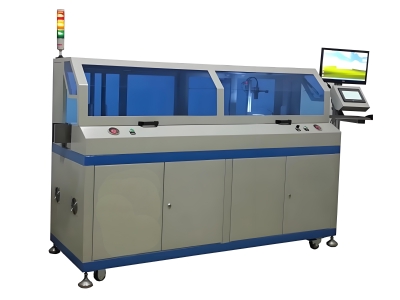
Figure: ZOWINDA Contactless Card Personalization Issuing Machine printing and encoding smart cards.
1. What Is a Contactless Card Personalization Machine?
A contactless card personalization machine is a computer-controlled workstation that performs two jobs at once: it prints variable personal data — card numbers, names, serials, barcodes and graphics — onto the card surface, and it encodes the embedded chip, either through the contact pad or over the air via NFC. The result is a card that is both visually identifiable and electronically readable, ready to be activated in a payment, access or identity scheme. In a dual-interface card the same machine must serve both the contact module and the contactless antenna without damaging either, which is why precision and verified encoding are central to its design.
Unlike a generic printer, a personalization issuing machine is built for production volumes and auditable quality. Every card is tracked, every encode is verified, and exceptions are rejected automatically rather than shipped. That discipline is what lets a bank or government programme trust a run of hundreds of thousands of cards. In practice the machine reads a job file, prints the face, writes the chip, verifies the write, and sorts good cards from rejects — all in a single pass at rates that scale from a few hundred to several thousand sheets per hour depending on the configuration.
2. How Personalization Fits Into the Card Production Line
Personalization sits near the end of the smart card value chain, after lamination, punching and module embedding have produced a bare but functional card. The personalization issuing machine receives sheets or single cards from upstream stations and applies the variable data that makes each card unique. In a ZOWINDA line it is supported by adjacent stations that prepare and validate the finished product: the IC Card Personalization Machine handles high-volume IC chip writing for contact cards, while the IC Card Data Verification Machine confirms that the encoded data matches the printed record before cards are packed.
Correct sequencing matters. Printing before encoding, or encoding before a final electrical test, changes how rejects are handled and how much material is wasted. A well-planned line puts personalization immediately upstream of a verification and testing station such as the Contactless Card Product Testing Machine, so a card that fails read-back is caught before it leaves the building. Getting this hand-off right is the difference between a clean audit trail and a pile of unaccounted cards, which no issuer wants to explain to a scheme manager.
3. Key Features and Technical Specifications
The parameters below define a production-grade contactless card personalization machine and are the first things a buyer should compare. Throughput and accuracy set the ceiling on capacity, while the control architecture and verification logic determine how easily the station meets scheme audit requirements. Treat the table as a baseline checklist and ask each supplier to confirm the exact numbers for the model you intend to run.
Beyond the headline numbers, pay attention to job management and reject handling. A station that stores many personalization jobs and switches between them without manual reconfiguration lets a bureau accept short-run, high-mix orders without losing a shift to setup. Equally important is automatic sortation: cards that fail print inspection or chip read-back should be diverted to a reject bin with a logged reason, so the good output is provably clean.
4. Benefits for Card Manufacturers and Service Bureaus
- Data integrity — verified encode-and-read-back catches bad chips before issuance, protecting scheme compliance and brand trust.
- Throughput — one pass of print and encode at up to 5000 sheets per hour keeps large issuance campaigns on schedule.
- Flexibility — the same contactless card personalization machine serves payment, transit, ID and membership programmes by loading a different job file.
- Traceability — every card, print and encode event is logged, supporting audits and customer certification for regulated programmes.
The combined effect is a lower total cost of ownership. Manual or split-station personalization loses time to handling and to cards that pass print but fail encode. Consolidating print and encode in one verified pass reduces labour, scrap and rework, and the saved material plus avoided recalls quickly offset the equipment investment. For operations that also issue contact cards, pairing the issuing machine with the IC Card Personalization Machine keeps one control philosophy and one spare-parts pool across both programmes, which keeps training and service simple.
5. 2026 Industry Trends and Application Scenarios
Three forces are pushing the contactless card personalization machine up the priority list in 2026. First, dual-interface migration continues as banks replace magnetic-stripe cards with tap-to-pay, raising baseline volumes and the need to encode both interfaces reliably. Second, transit and government ID programmes are consolidating issuance in regional bureaus, which rewards lines that can switch job types quickly. Third, scheme security rules keep tightening, so verified encoding and full traceability are now commercial requirements rather than nice-to-haves.
At the same time, instant-issue and on-demand card programmes are growing, which means the personalization station is no longer hidden in a remote factory — it sits in branches, campuses and data centres where footprint and ease of use matter. Typical application scenarios include:
- Dual-interface bank card and credit card personalization
- Transit and loyalty card issuing for cities and operators
- Government ID and citizen card programmes
- Corporate access and membership card issuance
Because personalization creates the card's electronic identity, the quality of this step determines whether a card works on day one in the field. Investing in a verified, well-supported issuing platform delivers compounding returns: fewer field failures, cleaner audits and a line that can absorb new programmes without re-engineering. A small improvement at personalization reduces downstream test rejects at the Contactless Card Product Testing Machine and raises confidence in the data checks performed by the IC Card Data Verification Machine — a chain of quality that is easy to underestimate on paper but obvious on the production floor.
Frequently Asked Questions
Q1. What is the difference between a contactless card personalization machine and an IC card personalization machine?
Both write data to a card, but a contactless model encodes the chip over the air through the antenna while an IC card machine writes through the contact pad. A dual-interface contactless card personalization machine does both, serving cards that must work at a reader and at a contact terminal. ZOWINDA offers a dedicated IC Card Personalization Machine for high-volume contact-only jobs, and the issuing machine profiled here for mixed dual-interface programmes, so buyers can match the station to their card mix without paying for unused capability.
Q2. How fast can it personalize cards, and what limits speed?
Production models reach up to 5000 sheets per hour, but real speed depends on sheet size, print complexity and the encode time of the chip. Denser graphics and longer data records slow each card, so a quoted maximum is a ceiling rather than a promise. The right question is sustainable throughput for your typical job, which is why the station should be tested with your real artwork and data file before purchase rather than against a vendor demo card.
Q3. How does the machine guarantee data integrity?
Each card is encoded and then read back immediately; anything that fails the verify step is diverted to a reject bin with a logged reason. Combined with a separate IC Card Data Verification Machine data-verification stage and a final electrical Contactless Card Product Testing Machine, this gives an auditable chain from print to packed card. That trail is what scheme managers and auditors expect, and it is what protects a programme from shipping cards that look right but fail at the terminal.
Q4. Can one machine handle both payment and non-payment cards?
Yes. Because personalization is driven by a job file, the same hardware serves payment, transit, ID and membership cards simply by loading a different programme and data source. This is what makes the contactless card personalization machine attractive to bureaus that run mixed portfolios: one line, one operator skill set and one spare-parts list cover many schemes, and changeover between jobs takes minutes instead of a rebuild of the station.
Ready to upgrade your card issuing line?
Contact ZOWINDA for a tailored contactless card personalization solution and a competitive quotation.
Email: info@zowinda.com
WhatsApp: +86 186 2085 0485
Published: October 21, 2026 | Source: ZOWINDA product documentation for the Contactless Card Personalization Issuing Machine.
 Contactless Card Personalizati
 Custom Auto Antenna Embedding
 Auto Glue Tape Lamination Mach
 Automatic Multiple Line Weldin
Please contact us with your request
We are ready to answer your questions.