
Card Sorter Buyer's Guide 2026: 3,000 vs 8,000 CPH and How to Choose
Card Sorter Buyer's Guide 2026: 3,000 vs 8,000 CPH and How to Choose
Throughput is only one axis. This guide compares card sorting systems by speed, accuracy, and mail-flow integration so you can specify the right machine the first time.
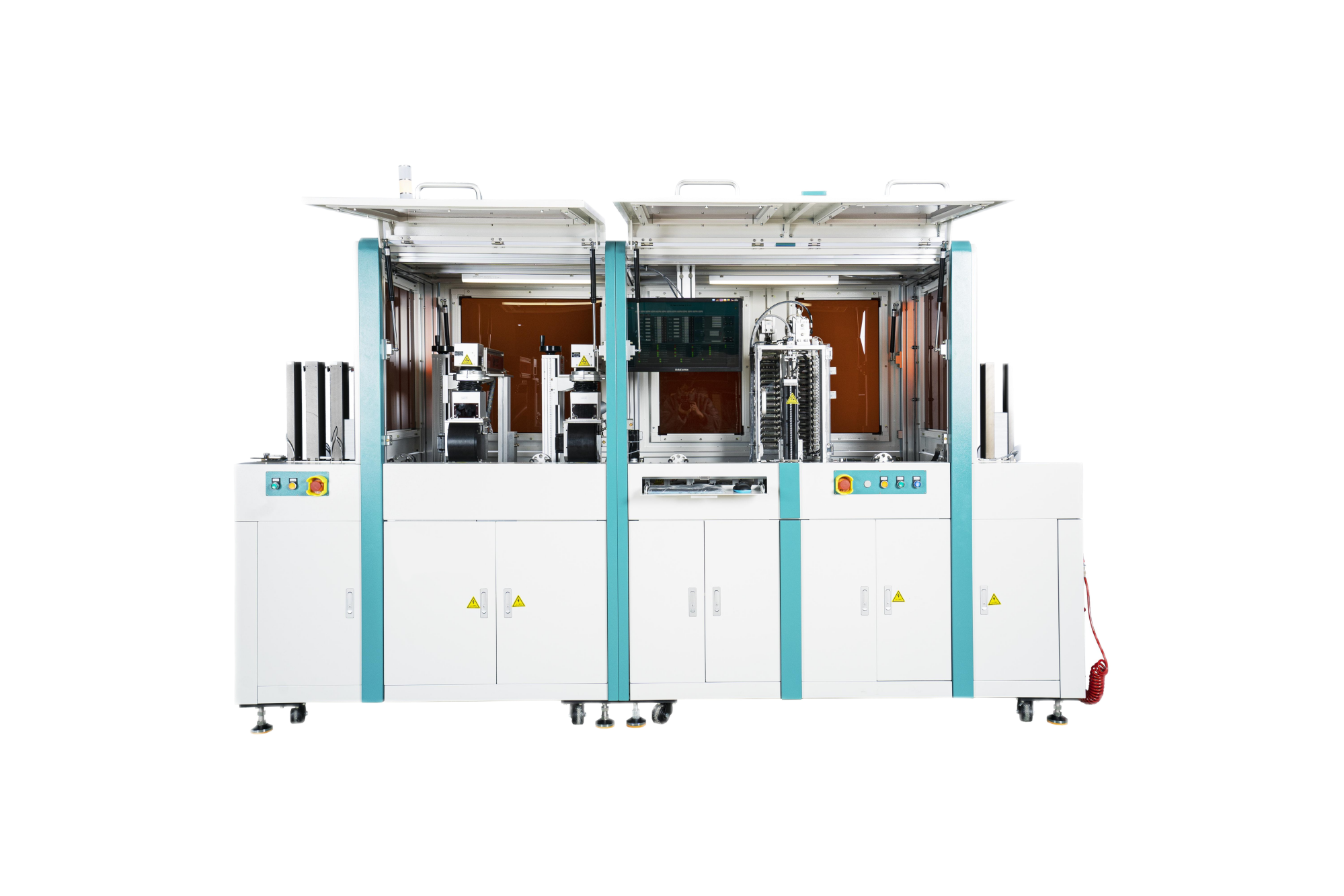
What Does a Card Sorter Actually Do?
A card sorting machine receives a mixed stream of finished smart cards and routes them into sorted bins or trays by criteria such as account range, batch, ZIP/region, or quality status. In card mailing operations it is the bridge between personalization and fulfillment — ensuring the right card reaches the right envelope at high speed.
3,000 CPH vs 8,000 CPH: The Real Difference
"CPH" means cards per hour. The gap between 3,000 and 8,000 is not just speed — it changes footprint, feeding architecture, and reject handling.
| Factor | ~3,000 CPH (entry/mid) | ~8,000 CPH (high-volume) |
|---|---|---|
| Best for | Pilot lines, regional issuers | National banks, high-volume bureaus |
| Feed system | Single friction/suction feeder | Multi-lane synchronized feeding |
| Sort bins | 4 – 8 trays | 12 – 24+ programmable bins |
| Verification | Optional camera | Inline OCR/QR + vision standard |
| Floor space | Compact (< 2 m) | Larger cell with conveyor |
| Cost profile | Lower capex | Higher capex, lower unit cost |
Five Specs to Verify Before You Buy
- Actual sustained throughput — Ask for measured CPH with your real card stock, not a brochure peak.
- Sort logic flexibility — Can it bin by QR, magnetic stripe, or database lookup? Rule-based sorting protects future programs.
- Verification accuracy — Inline vision should catch misprints and mis-sorts before they reach mail.
- Integration — Does it handshake with your personalization and envelope-sealing equipment?
- Reject path — A dedicated reject lane prevents good cards from being buried in a reject bin.
Where Sorting Fits in the Mailing Line
A modern card mailing cell chains personalization → sorting & verification → envelope sealing & labeling. Tight integration removes manual handling and is where the biggest labor savings appear.
ZOWINDA Card Sorting & Mailing Equipment
- Fully Automated Card Sealing, Labeling, Sorting & Verification System — High-volume card mailing equipment combining sort, seal, label, and verify.
- Auto Envelope Sealing and Labeling Machine — High-speed card mailing equipment for end-to-end fulfillment.
- Auto Contactless Card Inlay Sheet Manufacturing Line — Upstream RFID inlay production feeding finished-card operations.
Frequently Asked Questions
Q: Is 8,000 CPH worth the extra capex?
A: If you issue above ~1 million cards/year, the lower unit cost and labor savings typically pay back within 12–18 months.
Q: Can a sorter verify card data too?
A: Yes. Inline vision and OCR/QR reading confirm print quality and match cards to sort rules in real time.
Q: Do I need sorting if I already personalize in order?
A: Sorting still adds value for quality-based routing (pass/fail) and multi-destination mailing.
Q: How is a sorter different from a mailing machine?
A: A sorter routes cards into bins; a mailing machine seals and labels envelopes. Integrated systems do both.
Conclusion
Choose throughput for today's volume with headroom for tomorrow, demand verified sustained CPH, and prioritize integration with sealing and labeling. Review ZOWINDA's automated sorting and verification systems or contact us to size a mailing line for your program.
Request a sorting line quote
Email: [email protected] | WhatsApp: +86 186 2085 0485
 Auto COB Pick and Placer Machi
 Auto Hole Punching Machine – P
 Auto Sheet Shearing Machine -
 Auto Antenna Embedding Machine
Please contact us with your request
We are ready to answer your questions.