
How an RFID Inlay Is Manufactured: A Step-by-Step Production Breakdown
How an RFID Inlay Is Manufactured: A Step-by-Step Production Breakdown
The inlay is the functional heart of every contactless card. This guide traces RFID inlay manufacturing from antenna embedding to finished sheet — and the equipment that makes it repeatable at scale.
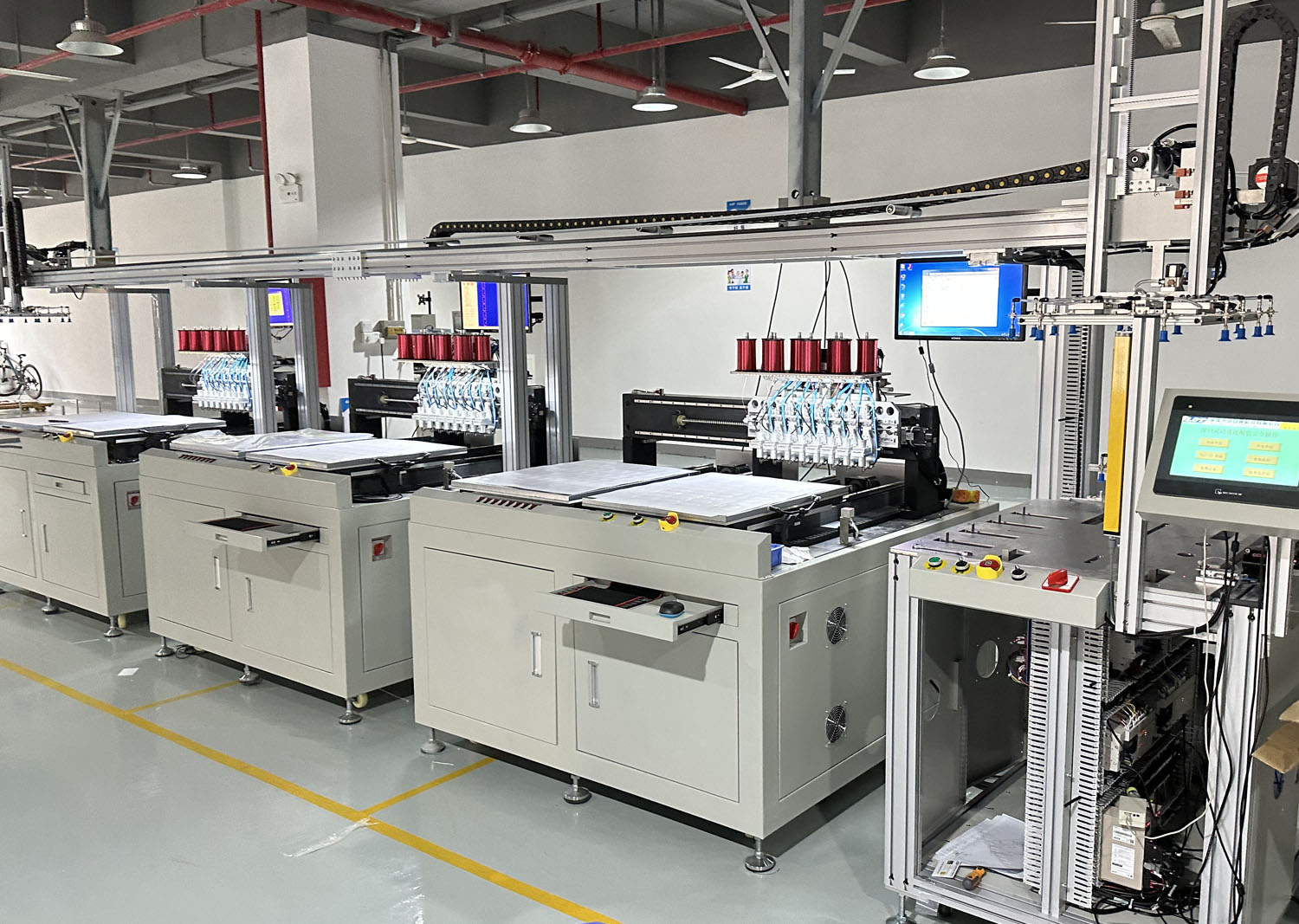
What Is an RFID Inlay?
An RFID inlay is a pre-laminated substrate carrying a tuned antenna (copper wire or etched foil) connected to an RFID chip. Once laminated inside a card body it becomes the contactless engine that powers tap-to-pay, access control, and asset tracking. Inlay quality dictates read range, reliability, and yield.
The RFID Inlay Manufacturing Process
- Substrate feeding — A PVC/PETG sheet is fed and registered to a precision index.
- Antenna embedding — Wire (or foil) is laid and ultrasonically embedded into the sheet at exact pitch and tension.
- Chip bonding / flip-chip — The RFID IC is attached to the antenna coil, often by flip-chip with conductive adhesive.
- Curing & inspection — Bonds cure; vision checks coil continuity and placement.
- Sheet cutting & testing — Sheets are trimmed and each inlay electrically tested for function and frequency.
- Roll-up / lamination — Finished inlay sheets move to card lamination.
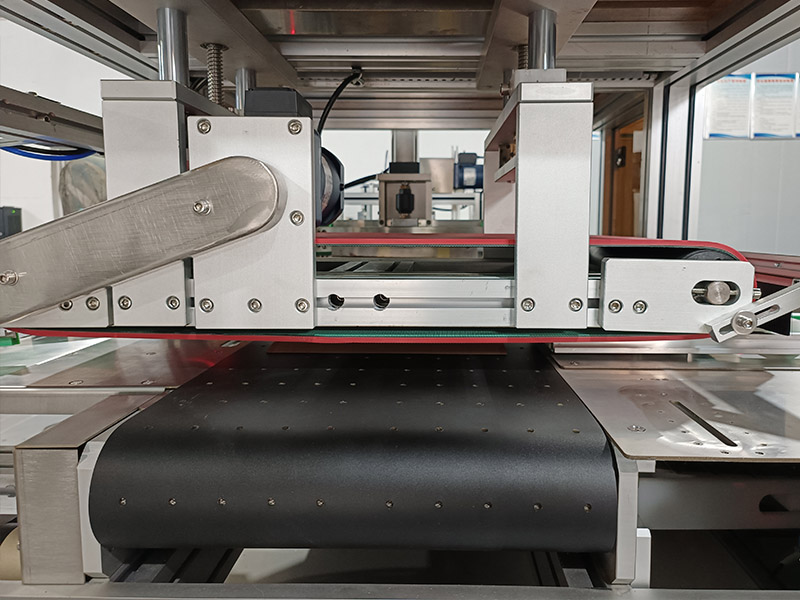
Wire Embedding vs. Etched Antenna
| Attribute | Wire Embedding | Etched Foil |
|---|---|---|
| Antenna method | Ultrasonic wire into sheet | Etched copper/aluminum foil |
| Tuning control | Excellent, coil by coil | Good, mask-dependent |
| Material cost | Lower wire waste | Higher etching chemical cost |
| Best use | HF/LF, flexible layouts | High-volume UHF, fine patterns |
Why Tension and Pitch Control Decide Yield
Embedding tension that is too high stretches the coil and detunes frequency; too low lets the wire lift during lamination and break the circuit. Production-grade embedding machines hold tension within tight limits and verify each coil electrically before the sheet advances.
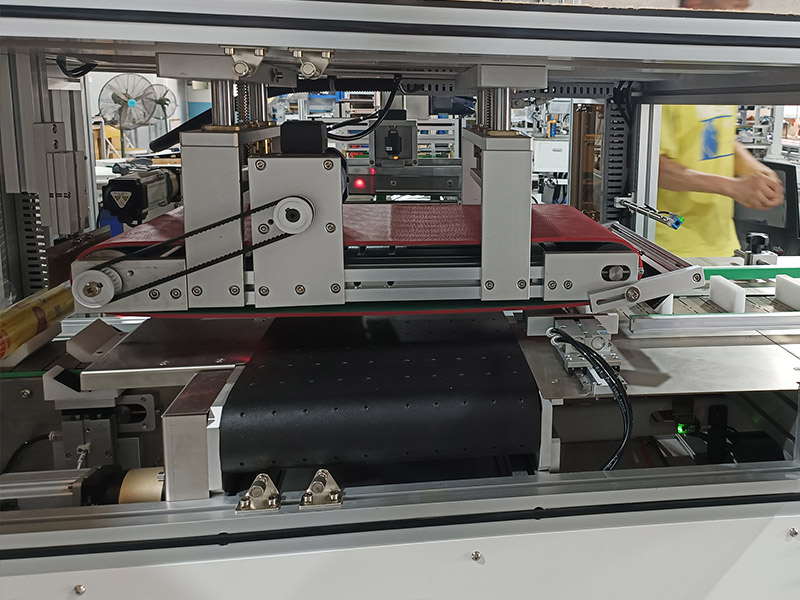
ZOWINDA Inlay Production Equipment
- Auto Wire Embedding Machine (2-in-1 System) — Dual-function RFID antenna embedding with integrated bonding.
- Automatic 3D Curved Antenna Embedding Machine — Advanced RFID antenna embedding for curved and complex layouts.
- Integrated Inlay Manufacturing System — All-in-one RFID inlay production cell.
- Auto Contactless Card Inlay Sheet Manufacturing Line — End-to-end inlay sheet output.
Frequently Asked Questions
Q: What frequency do most contactless cards use?
A: HF 13.56 MHz (ISO 14443) for payment and access; UHF (860–960 MHz) for logistics tags.
Q: Why test inlays before lamination?
A: A dead coil buried in laminate is a scrapped card. Inline testing catches faults when they are still cheap to fix.
Q: Can one machine make both wire and foil inlays?
A: Typically separate processes; integrated cells standardize on one method per line for consistency.
Q: What hurts read range most?
A: Detuned antenna (poor tension/pitch) and metal interference — both addressed by tight embedding control.
Conclusion
RFID inlay quality is set at the embedding and bonding stage. Control tension, verify electrically, and standardize the line. See ZOWINDA's integrated inlay manufacturing systems or contact our team to design an inlay line matched to your frequency and volume.
Design your inlay line
Email: [email protected] | WhatsApp: +86 186 2085 0485
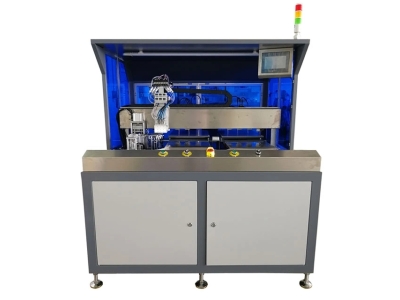 Auto COB Pick and Placer Machi
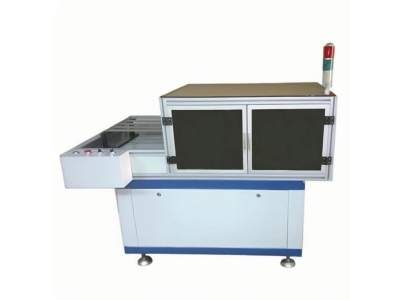 Auto Hole Punching Machine – P
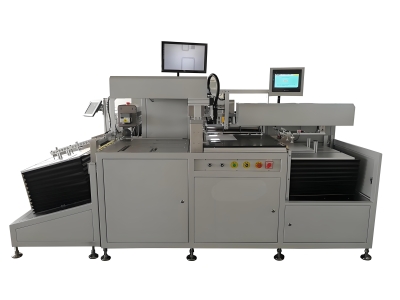 Auto Sheet Shearing Machine -
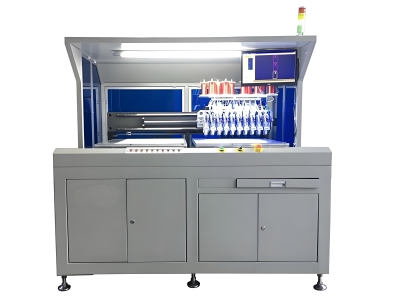 Auto Antenna Embedding Machine
Please contact us with your request
We are ready to answer your questions.