
Dual-Interface Card Milling & Embedding: The Complete 2026 Engineering Guide
Dual-Interface Card Milling & Embedding: The Complete 2026 Engineering Guide
A practical, specification-driven breakdown of how dual-interface smart cards are milled and embedded — and how to select the right production equipment for contact, contactless, and combo cards.
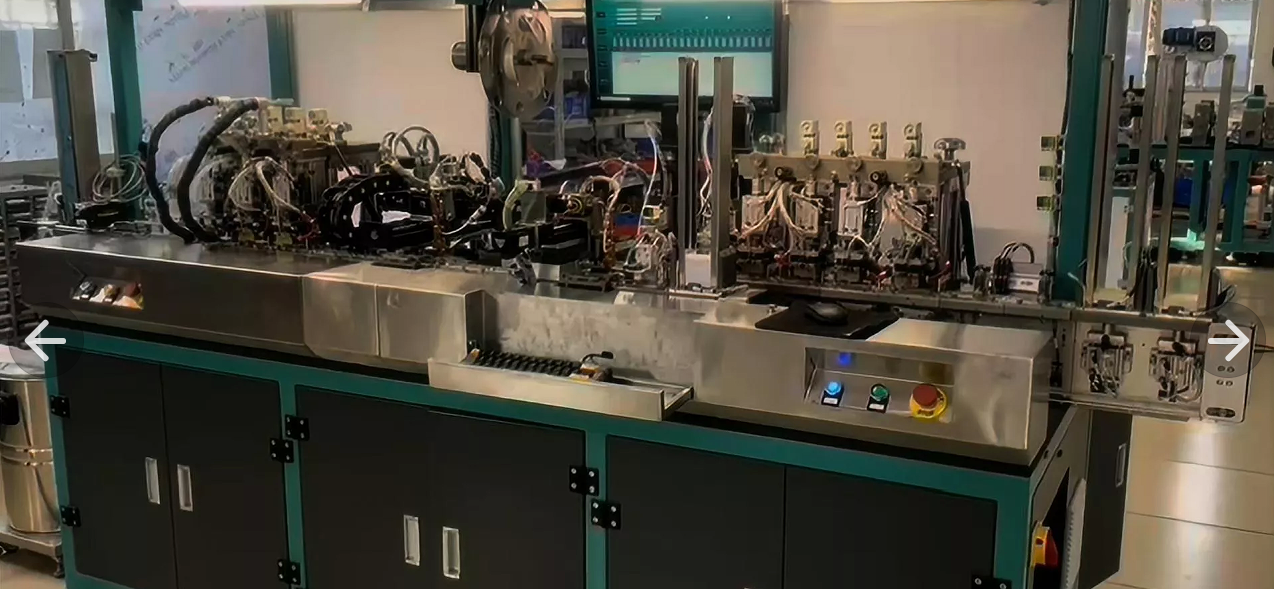
What Is a Dual-Interface Card?
A dual-interface (DI) smart card carries both a contact chip (ISO/IEC 7816) and a contactless antenna (ISO/IEC 14443), sharing a single secure microcontroller. The card body is milled to create a precise cavity, the IC module is implanted, and the RFID antenna is embedded into the inlay so the chip can communicate through either interface. This architecture powers payment, government ID, and enterprise access cards that must work in both legacy contact readers and modern contactless terminals.
The Dual-Interface Production Flow
Manufacturing a finished DI card follows a tightly controlled sequence. Each station must hold micron-level tolerances because cavity depth and module flatness directly affect read reliability.
- Inlay preparation — The RFID antenna (wire or etched) is embedded into the PVC/PETG sheet.
- Cavity milling — A CNC spindle routes a rectangular pocket at the exact ISO position for the module.
- Module implanting (embedding) — The pre-bonded IC module is placed into the cavity and hot-pressed or glued.
- Lamination — The assembled sheet is laminated under heat and pressure.
- Electrical test — Each module is probed for open/short and functional communication on both interfaces.
- Personalization & finishing — Printing, encoding, and cutting to CR80 (85.6 × 54.0 mm) format.
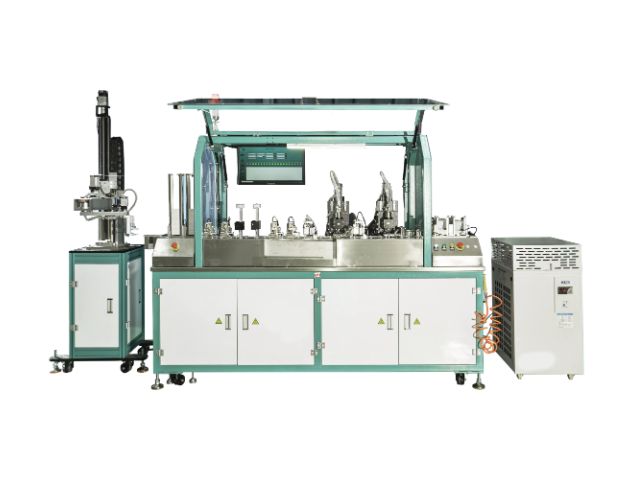
Milling vs. Embedding: Two Distinct Machines
Buyers often conflate these. Milling machines remove material to form the cavity; embedding/implanting machines insert and fix the module. High-volume lines integrate both into one synchronized unit, but standalone stations remain common for flexible, low-mix production.
| Parameter | Cavity Milling Machine | Module Implanting Machine |
|---|---|---|
| Core function | Route ISO cavity (depth ±0.02 mm) | Place & fix IC module |
| Typical accuracy | ±0.02 – 0.05 mm | ±0.05 mm placement |
| Throughput | 3,000 – 8,500 UPH | 3,000 – 9,000 UPH |
| Key risk if wrong | Module proud/recessed → read failure | Misalignment → contact pad damage |
| ZOWINDA reference | Smart Card Cavity Milling Machine | Automatic IC Module Implanting Machine |
Specs That Actually Matter for Buyers
- Cavity position tolerance — Must comply with ISO 7816-2 to guarantee interoperability across readers.
- Module flatness — A proud module scratches in readers; a recessed one loses contact. Target < 0.03 mm deviation.
- Changeover time — DI cards vary by module size (M2, M3, MOS). Fast tooling swap protects mixed-order shops.
- Yield & reject handling — Integrated vision rejects bad cavities before implanting, saving modules.
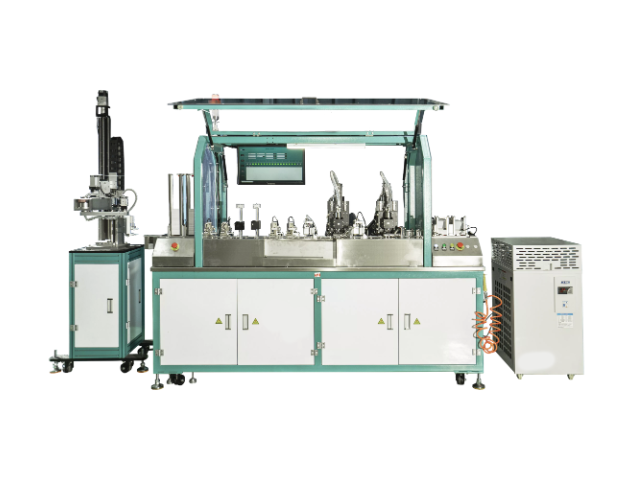
ZOWINDA Equipment for Dual-Interface Lines
ZOWINDA builds the individual stations and integrated cells that DI card manufacturers rely on:
- Smart Card Cavity Milling Machine — High-precision CNC cavity machining for IC chip embedding.
- Automatic Milling & Implanting Machine — Combined milling + module placement in one synchronized cell.
- Automatic IC Module Implanting Machine — Precision smart card module placement and fixation.
- Automatic Module Testing Machine — Electrical verification of both interfaces before shipment.
Frequently Asked Questions
Q: Can one machine do both milling and embedding?
A: Yes. Integrated milling & implanting stations perform both in a single pass, which is preferred for high-volume DI card runs above ~5,000 UPH.
Q: What cavity tolerance does ISO 7816-2 require?
A: The standard defines module position and cavity dimensions; reputable equipment holds ±0.02 to 0.05 mm to stay within spec.
Q: How do I avoid proud or recessed modules?
A: Use vision-guided depth control on the miller and pressure-controlled implanting with post-press flatness checks.
Q: Is testing mandatory?
A: For payment and ID cards, yes — every module should be electrically probed on both interfaces before personalization.
Conclusion
Dual-interface card production succeeds or fails at the milling and embedding step. Specify ISO-compliant cavity tolerance, validate module flatness, and integrate electrical test inline. Explore ZOWINDA's milling and implanting equipment or contact our engineering team for a line configuration matched to your throughput target.
Talk to a ZOWINDA engineer
Get a configured dual-interface production line quote. Email: [email protected] | WhatsApp: +86 186 2085 0485
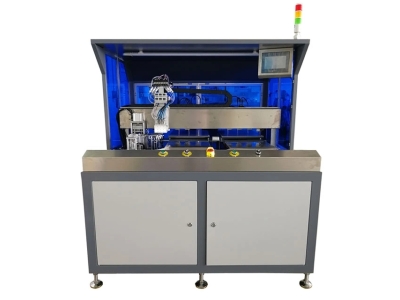 Auto COB Pick and Placer Machi
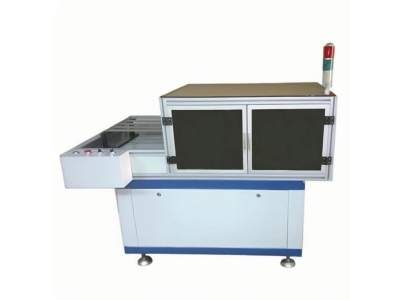 Auto Hole Punching Machine – P
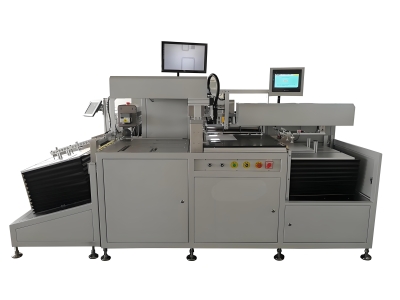 Auto Sheet Shearing Machine -
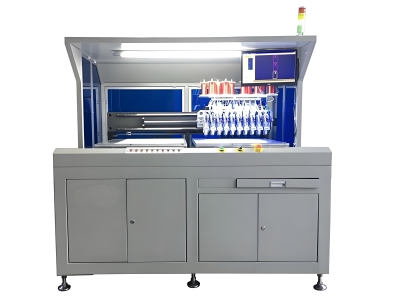 Auto Antenna Embedding Machine
Please contact us with your request
We are ready to answer your questions.