
Auto Antenna Embedding Machine for RFID Inlay Production
Auto Antenna Embedding Machine: Precision RFID Inlay Production in 2026
The auto antenna embedding machine has become a cornerstone of modern contactless card and RFID inlay manufacturing. As demand for HF and UHF tags accelerates across payment, access control and logistics, manufacturers need equipment that places conductive antenna traces onto inlay sheets with micron-level repeatability. This article explains what an auto antenna embedding machine does, how it fits into the smart card production line, the technical specifications that matter, and why 2026 is the year to upgrade this critical station. Whether you run a dedicated card plant or a contract inlay converter, understanding this station is the first step toward a higher-yield line.
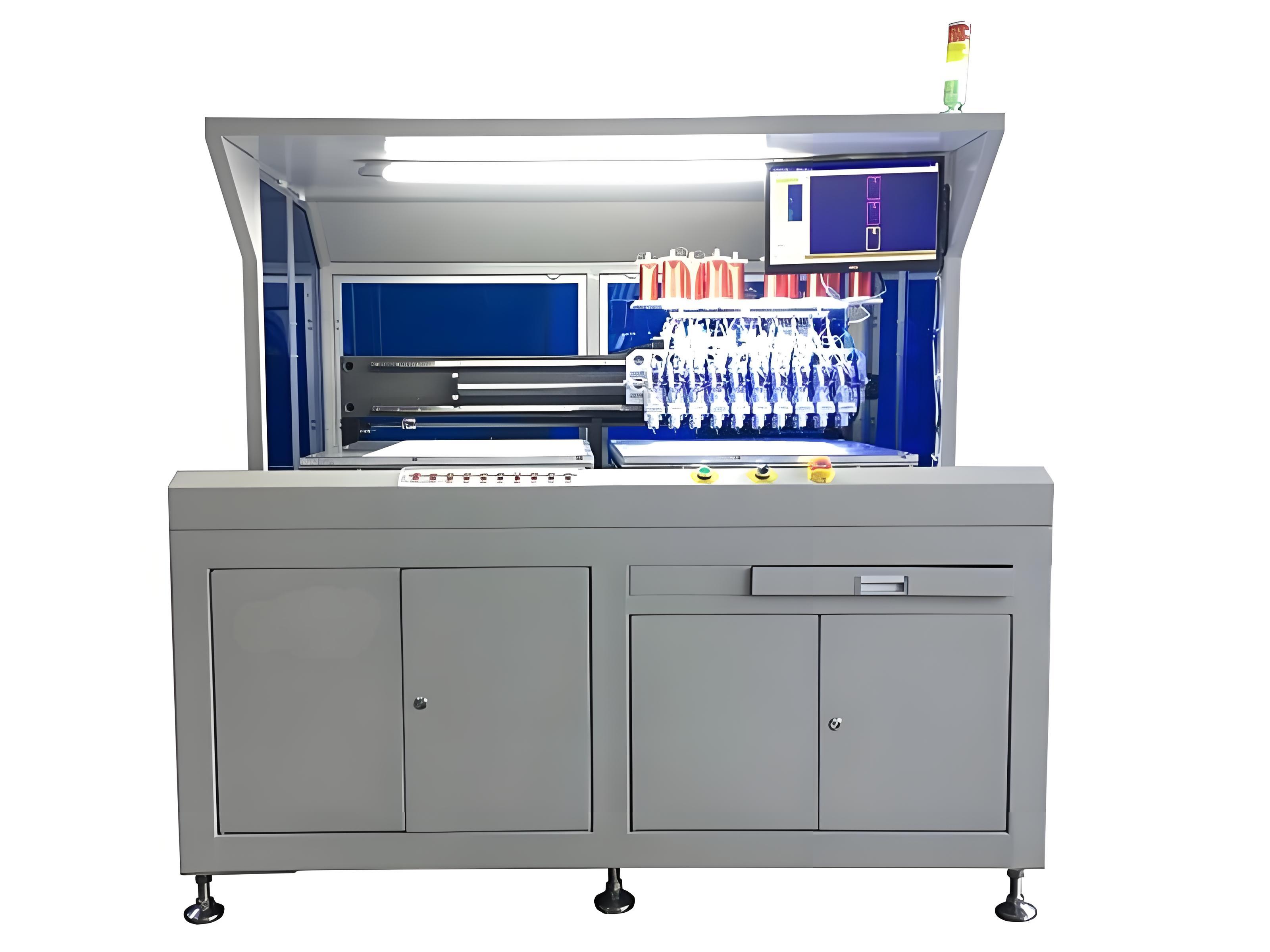
Figure: ZOWINDA Auto Antenna Embedding Machine embedding antennas onto RFID inlay sheets.
1. What Is an Auto Antenna Embedding Machine?
An auto antenna embedding machine is a computer-controlled production station that embeds a pre-formed or dispensed antenna — typically copper or aluminium wire — into the substrate of an RFID inlay sheet. Unlike manual laying or screen-printing, the automated station positions the antenna along a programmed path and fixes it in place at high speed, producing hundreds of consistent inlays per hour. The result is a reliable electrical loop that, once laminated and bonded, forms the transponder inside a contactless smart card, an NFC tag, or a transit ticket.
The machine bridges two worlds: the mechanical precision of wire handling and the electronic requirement of a tuned antenna. A poorly embedded antenna means weak read range or intermittent failures in the field; a well-embedded one means a card that works the first time, every time. For any factory shipping contactless products at volume, the embedding station is where electrical performance is won or lost. Compared with manual methods, automation removes operator variability, so the thousandth inlay is identical to the first, which is exactly what certification bodies and brand owners expect from a modern card plant.
2. How Antenna Embedding Works in the RFID Inlay Line
A typical embedding cycle begins with an inlay sheet fed from a stack or roll. The station clamps the sheet, then a high-precision head traces the antenna geometry — drawn from the tag's design file — onto the surface. Depending on the process, the wire is laid into a groove, ultrasonically fixed, or bonded with adhesive. Vision systems verify placement before the sheet advances to the next index, so a misplaced loop is caught immediately rather than after lamination, when it is far more expensive to scrap.
In a complete ZOWINDA line, the embedding machine sits between sheet preparation and chip attachment. Its output feeds directly into downstream stations such as the Auto Feeding Wire Embedding Machine for wire embedding refinement, and the Auto COB Pick and Placer Machine for Chip-On-Board placement, where the integrated circuit is bonded to the antenna's contact pads. Getting the embedding step right upstream protects the yield of every downstream operation and reduces the cost of rework. Because the antenna loop defines the tag's read range and reliability, this single station has an outsized influence on the overall quality of the finished product, which is why experienced manufacturers treat it as a strategic investment rather than a commodity purchase.
3. Key Features and Technical Specifications
The following parameters define a production-grade auto antenna embedding machine and should be the first things a buyer compares when specifying a line. Accuracy and throughput set the ceiling on yield and capacity, while control architecture and certification determine how easily the station integrates with existing MES and quality systems. Treat the table below as a baseline checklist and ask each supplier to confirm the exact numbers for the model you intend to run.
Beyond the headline numbers, pay attention to changeover time and recipe management. A station that stores dozens of antenna programs and switches between them in minutes lets a converter accept short-run, high-mix orders without losing a shift to setup. That flexibility is often the difference between a machine that pays for itself and one that sits idle between large contracts.
4. Benefits for Smart Card and RFID Manufacturers
- Yield improvement — consistent, vision-verified placement reduces rejects and field returns caused by weak or broken antenna loops.
- Labour savings — one operator can supervise several embedding stations, cutting direct labour cost per thousand cards.
- Flexibility — antenna geometry is stored as a digital file, so changeover between HF and UHF designs takes minutes instead of hours.
- Traceability — every cycle is logged, supporting quality audits and customer certification for payment and identity programs.
The combined effect of these benefits is a lower total cost of ownership. A factory that previously embedded antennas by hand might lose several percent of sheets to placement defects; automation typically brings that loss down to a fraction of a percent, and the saved material plus reduced rework quickly offsets the equipment investment. For operations with bespoke inlay designs, the Custom Auto Antenna Embedding Machine extends this capability to custom antenna layouts while keeping the same control architecture and service footprint, so the learning curve and spare-parts pool stay shared across the line.
5. 2026 Industry Trends and Application Scenarios
Three forces are pushing the auto antenna embedding machine up the priority list in 2026. First, NFC adoption keeps expanding beyond payments into authentication, healthcare and consumer engagement, raising baseline volumes. Second, logistics and retail are converting more items to UHF tagging, which rewards lines that can switch antenna designs quickly. Third, labour scarcity is making any manual process a liability, so automation at the embedding step pays back faster than ever.
At the same time, brand owners are tightening incoming-quality requirements, which means a converter's ability to prove placement accuracy with logged data is becoming a commercial advantage, not just an engineering nicety. Typical application scenarios include:
- Contactless bank card and dual-interface card inlay production
- NFC tag and sticker manufacturing for consumer and IoT use
- Transit and loyalty card personalization lines
- UHF logistics label and asset-tracking inlay converting
Because the embedding station determines the electrical performance of every finished tag, investing in precision and uptime here delivers compounding returns across the whole factory. A small improvement at this step reduces scrap at lamination, improves pass rates at personalization, and lowers warranty claims after the cards leave the plant — a chain of savings that is easy to underestimate on a spreadsheet but obvious on the shop floor.
Frequently Asked Questions
Q1. What is the difference between antenna embedding and wire embedding?
Both terms describe placing a conductive wire trace onto an inlay sheet, but "embedding" usually refers to fixing the wire into or onto the substrate so it becomes part of the finished inlay, while "wire embedding" emphasises the ultrasonic or adhesive fixing method. In practice ZOWINDA treats them as complementary stations on the same line, with the Auto Feeding Wire Embedding Machine handling the high-speed wire laying that feeds the embedding and bonding stages. Choosing the right combination depends on the tag's frequency, the substrate, and the target read range.
Q2. Can one machine handle both HF and UHF antenna designs?
Yes. Because the antenna shape is a software file rather than a physical tool, the same auto antenna embedding machine can produce HF (13.56 MHz) and UHF (860 to 960 MHz) layouts simply by loading a different program. This makes the station ideal for factories that serve mixed tag portfolios, since the same hardware can swing between a contactless payment card in the morning and a logistics label in the afternoon without mechanical reconfiguration.
Q3. How accurate is the placement, and why does it matter?
Production models hold positioning accuracy around plus or minus 0.05 mm. Accuracy matters because the antenna loop must align precisely with the chip bonding pads downstream; even small drift raises the risk of open circuits and weak read range, which in turn raises scrap and field-failure rates. In high-security card programs, that alignment is also checked against the customer's specification, so the station's repeatability directly affects whether a batch is accepted or rejected at final test.
Q4. Which substrate materials are supported?
The machine works with standard inlay substrates including PVC, PET and PET-G sheets. Material choice depends on the final card's durability and lamination profile, and the embedding head can be tuned to each material during setup. PET and PET-G are increasingly preferred for their dimensional stability and lower environmental impact, and a good embedding station should handle all three without changing tooling.
Ready to upgrade your RFID inlay line?
Contact ZOWINDA for a tailored auto antenna embedding solution and a competitive quotation.
Email: info@zowinda.com
WhatsApp: +86 186 2085 0485
Published: October 12, 2026 | Source: ZOWINDA product documentation for the Auto Antenna Embedding Machine.
 Auto COB Pick and Placer Machi
 Auto Hole Punching Machine – P
 Auto Sheet Shearing Machine -
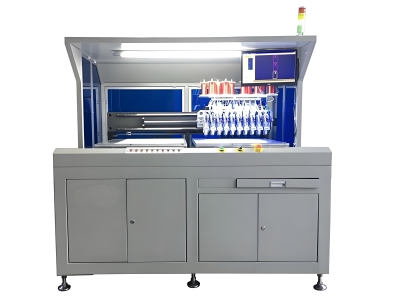 Auto Antenna Embedding Machine
Please contact us with your request
We are ready to answer your questions.