
Automatic IC Module Implanting Machine | Precision Smart Card Module Placement Equipment
Automatic IC Module Implanting Machine | Precision Smart Card Module Placement Equipment
Published: July 23, 2026 | Zowinda Technology
In the competitive landscape of smart card manufacturing, investing in the right equipment directly impacts production efficiency, product quality, and profitability. This comprehensive guide explores Zowinda's Automatic IC Module Implanting Machine, covering its working principles, technical specifications, key advantages, and how it integrates into modern card production lines.
What Is an IC Module Implanting Machine?
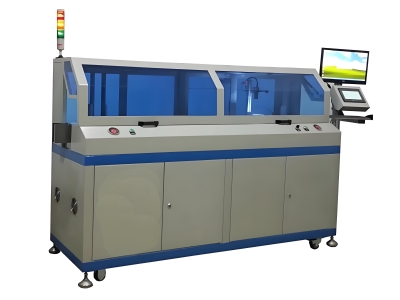
An IC Module Implanting Machine is a precision automated system designed to bond integrated circuit (IC) modules onto smart card substrates. This critical piece of equipment ensures accurate alignment, consistent pressure application, and thermal management during the hot-melt adhesive bonding process. Whether producing contact smart cards, dual-interface cards, or hybrid cards, the IC module implanting stage determines the electrical reliability and mechanical durability of every finished card.
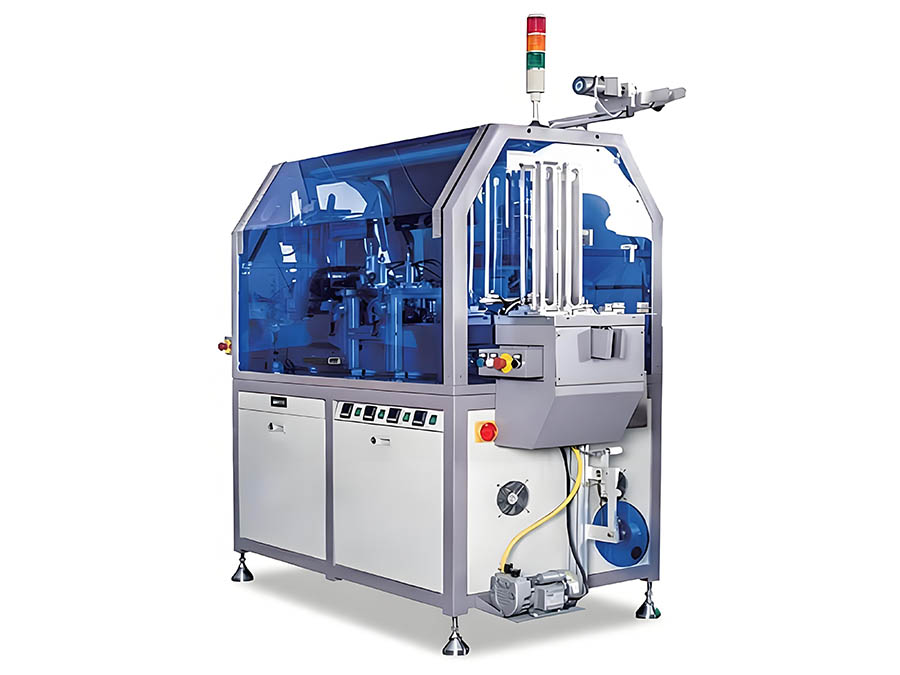
Automatic IC Module Implanting Machine — Precision IC Chip Bonding for Smart Card Production Lines
How Does the IC Module Implanting Process Work?
The process begins with module feeding — IC modules are supplied in tape-and-reel format and precisely positioned by a pick-and-place mechanism. The machine then applies controlled heat and pressure to activate the hot-melt adhesive on the module carrier tape, bonding it securely to the pre-milled cavity in the card body. Advanced vision systems verify correct positioning before and after implanting, while force sensors ensure optimal bonding pressure throughout the cycle.
Key Technical Advantages
Modern IC module implanting machines feature closed-loop temperature control with ±1°C accuracy, programmable pressure profiles for different module types, and throughput rates up to 1,200 cards per hour. The integration of automated optical inspection (AOI) at each station catches defects in real-time, reducing scrap rates below 0.1%. Modular design allows quick changeover between different card formats and module sizes.
Key Features & Advantages
✓ High-Speed Operation
Up to 1,200 CPH throughput with continuous feed system
✓ Precision Alignment
Vision-guided positioning accuracy within ±0.05mm
✓ Multi-Format Support
Handles contact, dual-interface, and hybrid card modules
✓ Quality Assurance
Built-in AOI inspection with real-time defect detection
Technical Specifications
Ready to Upgrade Your Production Line?
Contact us for customized solutions, pricing, and technical consultation.
Email: [email protected]
WhatsApp: +86 186 2085 0485
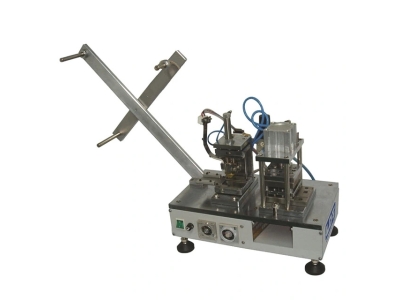 Manual IC Module Punching Mach
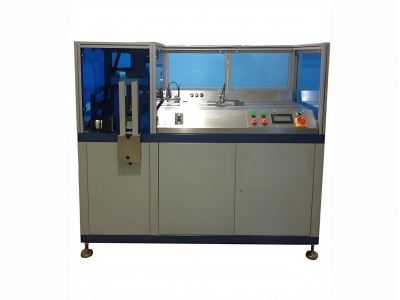 Semi-Automatic Card Punching M
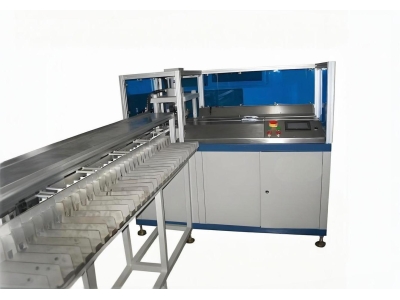 Card Punching and Sorting Mach
 Contactless Card Personalizati
Please contact us with your request
We are ready to answer your questions.