
Smart Card Reliability Testing: Bending, Torsion, Thermal Cycling & Abrasion
Smart Card Reliability Testing: Bending, Torsion, Thermal Cycling & Abrasion
Publish date: 2026-09-04
A payment or ID card fails in the field long before its chip wears out - the body, the module, and the bond give way first. This article walks through the standard mechanical and environmental tests that separate a durable card from a fragile one, and what production teams should monitor.
Why Mechanical Testing Matters
ISO/IEC 10373 defines the test methods used worldwide to qualify card bodies. These are not lab curiosities: a card bent 2,000 times in a wallet or twisted in a reader slot will develop micro-cracks that break antenna continuity or delaminate the module. Testing upstream prevents field returns.
Bending and Torsion
Dynamic bending simulates pocket and reader stress, while torsion measures resistance to twisting forces. Cards built on well-consolidated lamination with correct pressure profiles survive far more cycles than under-cured bodies that craze at the first fold.
Thermal Cycling
Repeated exposure from minus 20 to plus 50 deg C checks for delamination and module pop-out. The risk is highest at the PET-to-module interface, where mismatched thermal expansion pulls the bond apart.
Abrasion and Surface Wear
Taber abrasion and rubbing tests assess print and overlay durability. A good protective overlay keeps the printed graphic legible through years of handling - critical for branding and security features.
Building Reliability Into Production
Reliable cards come from controlled lamination (temperature, pressure, dwell time), verified incoming materials, and a sampled test program on every production batch. Treat the test bench as part of the line, not an afterthought.

Zowinda card lamination and personalization lines built for consistent quality.
Key Advantages at a Glance
Standard Alignment
Tests follow ISO/IEC 10373 methods for global acceptance.
Early Detection
Sampled batch testing catches delamination before field returns.
Process Link
Lamination profile directly drives bending and torsion survival.
Technical Reference
Ready to upgrade your production line?
Contact us for a tailored solution and quotation.
Email: info@zowinda.com
WhatsApp: +86 186 2085 0485
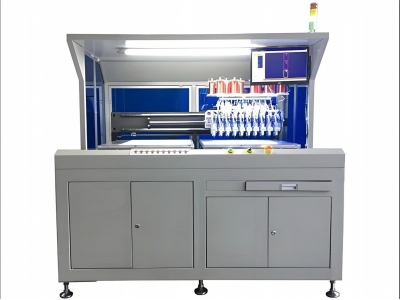 Auto Feeding Wire Embedding Ma
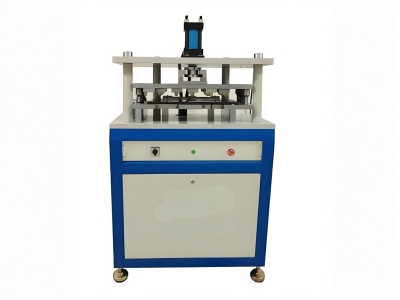 Position Hole Punching Machine
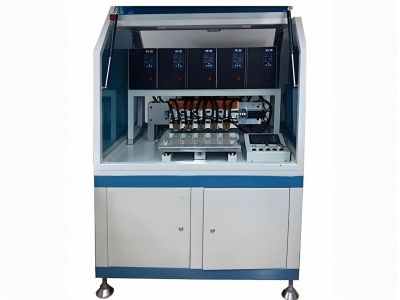 AUTO Bonding Machine – Precisi
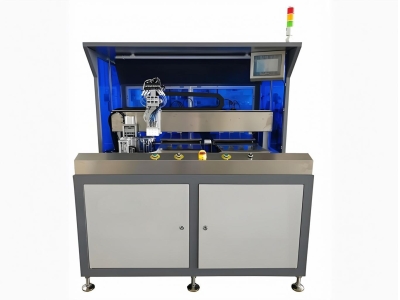 Auto COB Pick and Placer: Revo
Please contact us with your request
We are ready to answer your questions.