
RFID Inlay Substrate Materials: PET Film vs Paper vs Polyimide
RFID Inlay Substrate Materials: PET Film vs Paper vs Polyimide
Publish date: 2026-09-04
The substrate carrier decides an RFID inlay's read range, environmental durability, and unit cost. This guide compares the three dominant substrate families used in roll-to-roll inlay production and explains how to match them to the target application.
What the Substrate Actually Does
An RFID inlay is a thin sandwich: a printed or etched antenna, a chip bonded at the feed point, and the substrate film that holds everything flat and dimensionally stable. The carrier is not just a backing - it sets the coefficient of thermal expansion, moisture uptake, and the temperature ceiling the antenna can survive during lamination or conversion.
PET Film - The Industrial Default
Polyester (PET) film dominates high-volume UHF and HF inlays. It offers excellent tensile strength, low moisture absorption, and a smooth surface that suits both screen and gravure printing. Its main limitation is recyclability and a relatively high material cost versus paper.
Paper Substrate - Sustainable and Low-Cost
Paper-based inlays are gaining ground in retail and logistics where short service life is acceptable. They print well, die-cut cleanly, and compost far more easily. The trade-off is higher moisture sensitivity and lower dimensional stability at the converting stage.
Polyimide (PI) - The Harsh-Environment Option
Polyimide survives sustained heat (often above 200 deg C) and aggressive chemicals, making it the choice for automotive, industrial sensor, and PCB-embedded tags. It is the most expensive carrier and requires specialized bonding for the chip module.
Selection Checklist
Choose PET for general-purpose durability and print quality, paper for eco-friendly short-life tags, and polyimide only when the operating environment exceeds what PET can tolerate. Always validate the substrate against your lamination temperature profile before committing to a volume run.

Smart card and RFID inlay production equipment from Zowinda.
Key Advantages at a Glance
PET: Balanced Strength
High tensile strength and low moisture uptake make PET the safe default for most UHF/HF inlays.
Paper: Lowest Cost
Compostable and inexpensive, ideal for short-life retail and logistics applications.
PI: Extreme Tolerance
Withstands high heat and chemicals for automotive and industrial embedding.
Technical Reference
Ready to upgrade your production line?
Contact us for a tailored solution and quotation.
Email: info@zowinda.com
WhatsApp: +86 186 2085 0485
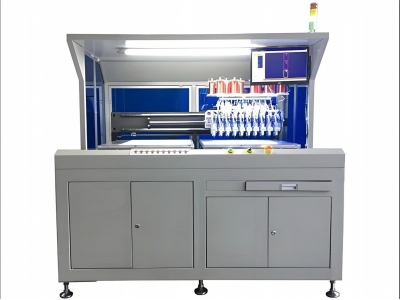 Auto Feeding Wire Embedding Ma
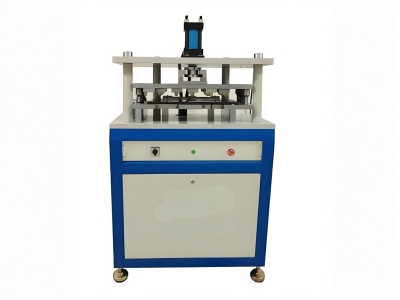 Position Hole Punching Machine
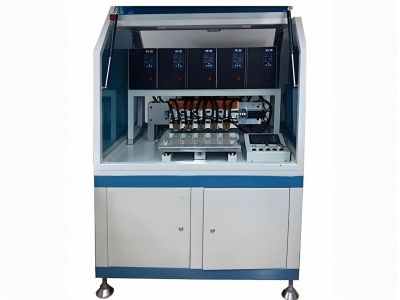 AUTO Bonding Machine – Precisi
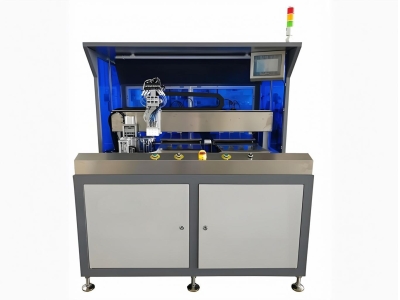 Auto COB Pick and Placer: Revo
Please contact us with your request
We are ready to answer your questions.