
Automatic Milling & Implanting Machine | Precision Card Cavity Milling & Module Insertion System
Automatic Milling & Implanting Machine | Precision Card Cavity Milling & Module Insertion System
Published: July 23, 2026 | Zowinda Technology
In the competitive landscape of smart card manufacturing, investing in the right equipment directly impacts production efficiency, product quality, and profitability. This comprehensive guide explores Zowinda's Automatic Milling & Implanting Machine, covering its working principles, technical specifications, key advantages, and how it integrates into modern card production lines.
Understanding Cavity Milling & Module Implantation
For dual-interface smart cards (combining contact and contactless technologies), two critical processes must work in perfect harmony: first, precisely milling a cavity into the card body to accommodate the IC module antenna coil; second, accurately implanting the module so that both the contact pads and the inductive antenna make proper electrical contact. The Milling & Implanting Machine integrates both operations into a single streamlined workflow, dramatically reducing handling and improving yield.
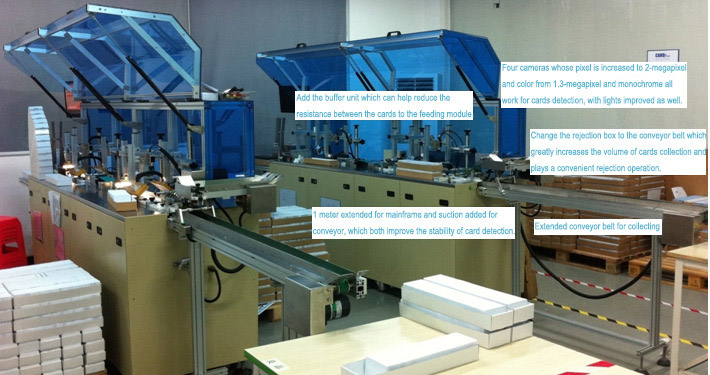
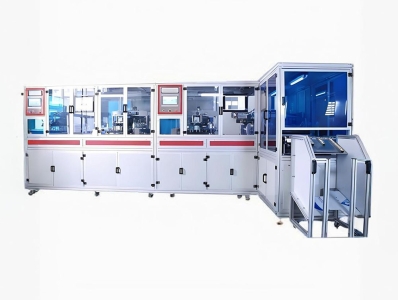
Automatic Milling & Implanting Machine — Integrated Cavity Milling and IC Module Insertion for Dual-Interface Cards
The Integrated Two-Stage Process
Stage 1 — Precision Cavity Milling: A high-speed CNC router mills the exact cavity profile required for the specific module type, with depth control accurate to ±0.01mm. Different profiles support standard ID-1 cards, USB tokens, and custom form factors.
Stage 2 — Module Implantation: Immediately after milling, the IC module is picked from the carrier tape, aligned using vision guidance, and implanted into the freshly milled cavity. The entire sequence takes under 3 seconds per card.
Why Combined Milling & Implanting Matters
Traditional separate milling and implanting stations introduce handling delays, contamination risk, and alignment drift between operations. By combining both stages, our integrated machine eliminates these issues while reducing floor space requirements by 40%. The result: higher throughput, better quality consistency, and lower total cost of ownership for card manufacturers.
Key Features & Advantages
✓ Dual-Stage Integration
Cavity milling + module implanting in one pass
✓ CNC Precision
Depth control ±0.01mm, profile repeatability 99.97%
✓ Quick Changeover
Under 15 minutes for new cavity profiles
✓ Dust Extraction
Integrated vacuum system for clean operation
Technical Specifications
Ready to Upgrade Your Production Line?
Contact us for customized solutions, pricing, and technical consultation.
Email: [email protected]
WhatsApp: +86 186 2085 0485
 Revolutionizing Card Productio
 Unlock Precision and Efficienc
 Product Webpage Promotion Copy
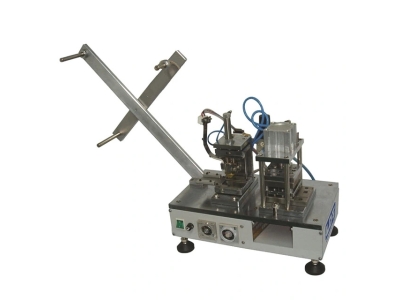 Manual IC Module Punching Mach
Please contact us with your request
We are ready to answer your questions.