
Card Personalization Machine: SIM, Banking & ID Card Lines
Card Personalization Machine: SIM, Banking & ID Card Lines
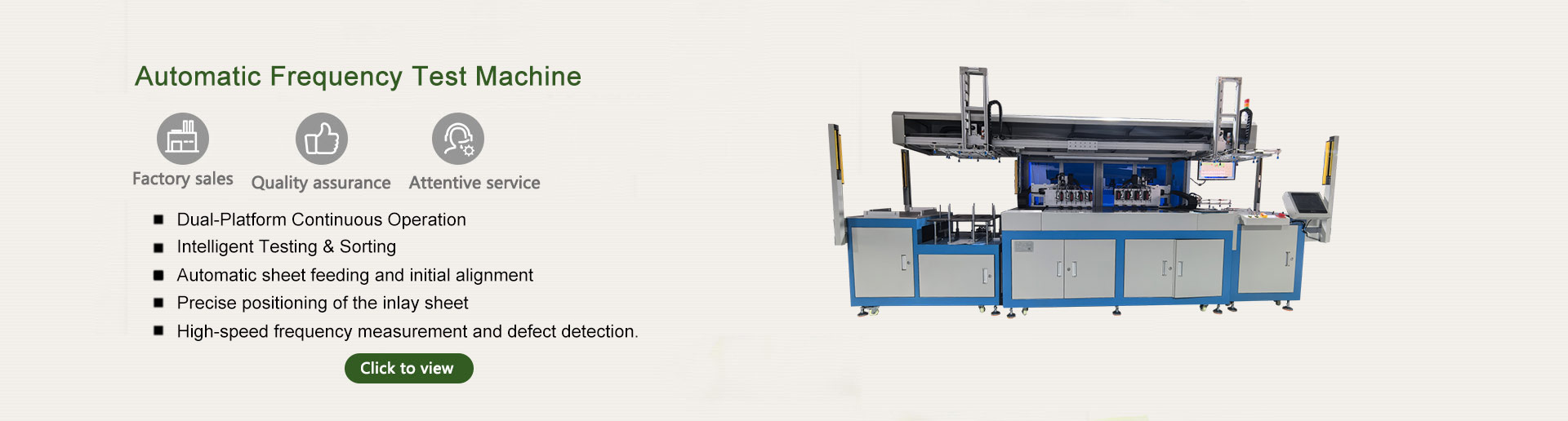
Card personalization is the final production stage where a blank card becomes a working product. Magnetic stripes are encoded, chips are loaded with data, embossed numbers are raised, and contactless antennas are programmed. The card personalization machine is what turns a generic card body into a bank card, SIM card, ID card, or access card.
This guide explains the main personalization technologies, how they apply to different card types, and what to look for when choosing a personalization system for your line.
1. What Card Personalization Machines Do
Personalization systems combine several processes into one controlled workflow. Depending on the card type, the machine may:
- Encode magnetic stripe data (HiCo, LoCo).
- Write and verify chip data for contact and contactless cards.
- Emboss or laser-engrave card numbers and names.
- Print artwork, holograms, or security overlays.
- Read and verify UID, ATR, or application data.
Each card type emphasizes different personalization steps. A banking card needs secure chip encoding and embossing. A SIM card needs IMSI and key loading. An ID card needs laser engraving and secure data handling.
2. Personalization Technologies by Card Type
| Card Type | Personalization Steps | Typical Throughput | Critical Spec |
|---|---|---|---|
| GSM / SIM card | IMSI/ICCID write, key loading, plug-in punching | 2,000–10,000 cards/hour | Data security and key management |
| Banking card | Mag stripe encode, chip data load, emboss, CVV | 1,000–6,000 cards/hour | EMV compliance and encryption |
| ID / government card | Laser engraving, photo printing, chip encoding | 500–2,000 cards/hour | Security and audit traceability |
| Transit / access card | UID write, application load, contactless test | 1,500–8,000 cards/hour | Contactless read range consistency |
3. GSM Card Personalization Line
SIM cards require tight control over chip data because the card stores subscriber identity and cryptographic keys. A typical GSM personalization line includes:
- Card loading and orientation.
- Contact chip personalization (IMSI, ICCID, authentication keys).
- Contactless test if dual-interface.
- Plug-in punching or full card output.
- Quality verification and bad-card rejection.
ZOWINDA's GSM Card Personalization Machine p8600 and GSM Card Personalization Machine are designed for high-volume SIM production with stable data handling and verification.
4. Banking and ID Card Personalization
Banking card personalization is one of the most security-sensitive processes. The machine must:
- Support EMV chip personalization and data encryption.
- Encode magnetic stripes to ISO/IEC 7811 standards.
- Emboss or indent cardholder data accurately.
- Verify CVV, PIN, and other authentication data.
ID cards add laser engraving, photo printing, and often biometric data loading. The personalization machine must integrate with the card issuance management system and maintain a complete audit trail.
5. What to Compare When Buying
- Card format flexibility: Can the machine handle ID-1, mini-SIM, and custom card formats?
- Data security: Look for encrypted key injection, HSM support, and tamper-evident logging.
- Verification: Each card should be read back and verified after writing.
- Modularity: Add embossing, laser engraving, or contactless readers as needed.
- Throughput vs. security: Higher security steps usually lower throughput; match the line to your real requirements.
- Software integration: The machine should connect to your issuance and data-preparation systems.
6. Frequently Asked Questions
What is the difference between card manufacturing and card personalization?
Manufacturing produces the blank card body with or without a chip. Personalization loads customer-specific data, PINs, and visual information onto the card.
Can one personalization machine handle SIM and banking cards?
Some machines are configurable, but high-security banking and telecom personalization often use dedicated setups to meet compliance and audit requirements.
What is EMV compliance?
EMV is a global standard for chip-based payment cards. EMV-compliant personalization ensures the card works securely with payment networks.
Why is key management important in SIM personalization?
SIM cards store authentication keys that protect mobile network access. Secure key injection prevents cloning and fraud.
What comes after personalization?
Cards are typically tested, sealed, labeled, and sorted into mailing lots or packaging. ZOWINDA's Card Sealing, Labeling, and Sorting Machine handles this finishing step.
7. Choose the Right Card Personalization System
ZOWINDA supplies card personalization and finishing equipment for telecom, banking, and ID card projects. Whether you need a high-throughput SIM personalization line, an EMV banking card system, or a secure ID card issuance solution, we can design the machine configuration to match your data and security requirements.
Need a card personalization machine for SIM, banking, or ID cards? Contact ZOWINDA for a technical consultation and quote.
Email: [email protected]
WhatsApp: +86 186 2085 0485
 Auto COB Pick and Placer Machi
 Auto Hole Punching Machine – P
 Auto Sheet Shearing Machine -
 Auto Antenna Embedding Machine
Please contact us with your request
We are ready to answer your questions.