
Card Batch Traceability: Serialisation and the Audit Trail
Smart Card Manufacturing Notes
Card Batch Traceability: Serialisation and the Audit Trail
Published: November 26, 2026 | ZOWINDA Application Engineering
A batch record that ends at the shipping label cannot answer the question a customer asks after a field failure: which cards are affected, and which are not. Traceability starts earlier, at the moment a unique identity is written to the chip, and it only works if every later station can read that identity back and attach its own result. The hard part is not printing a number on a card. It is keeping the number, the write operation, the verification result and the process conditions tied together when a line runs several products, several shifts and several data files in one day.
What an Audit Trail Has to Prove
A useful traceability scheme answers four questions for any returned card: when it was made, on which equipment, from which material lots, and with which data. That sounds simple until the card is produced across milling, inlay bonding, lamination, personalisation and final test, each with a different machine and often a different operator. If a station only records a count, the link is broken. The minimum practical unit is a unique serial that is written to the chip and can be read without destroying the card, backed by a table that maps that serial to a timestamp, a station identity and a result.
Serialisation also has to survive rework. A card that fails verification may be rewritten, and a card that fails visual inspection may be reprocessed. If the second attempt overwrites the first record, the audit trail becomes a story about the last pass rather than the real history. Keep attempts as separate events with an outcome, and decide explicitly which event defines the released state. This matters most when a customer audits a failure rate: a batch with ten percent rework and a batch with no rework can have identical final test results but very different risk.
Data integrity is a separate problem from data presence. A verification machine that reports a successful write has confirmed that the intended bytes were sent, not necessarily that the right bytes reached the right card. Cross-feeding a card file, using an old key or mixing two customer templates can produce perfectly readable cards carrying the wrong identity. Guard against this with a controlled file release, a check digit or checksum that the reader validates, and a periodic sample that is compared against the source list rather than against the previous card.
The physical mark and the electronic identity must agree. Inkjet, laser and embossed serials are easy to read by eye but can drift out of register, fade or be applied to the wrong card if the transport hiccups. An optical reader in the line closes that loop by checking that the printed serial matches the chip serial at the moment of verification. When the two disagree, reject the card and log the mismatch as a traceability event; do not let a downstream packing step resolve it by hand.
Five Controls for a Traceable Batch
- Assign the identity before the data is written. Generate or release serials from a controlled range, load them into the personalisation job with a version stamp, and prevent an operator from typing an identifier manually at the station.
- Read back every write, not a sample. Let the verification station read the written fields and compare them with the job file. Log the result against the serial, including retries, so a marginal write is visible as an event rather than a silent correction.
- Bind each station to the serial. Capture station identity, tool or fixture number and timestamp at every hand-off. A batch record that only lists shift totals cannot isolate a single fixture that drifted.
- Reconcile the printed mark with the chip. Use an in-line optical check where a printed or laser serial exists, and reject mismatches. Record the image reference with the serial so a customer complaint can be traced to a picture.
- Freeze and review the batch record at release. Close the batch only after the counts reconcile: issued serials, written cards, rejected cards and shipped cards. Investigate any difference before release instead of adjusting the count afterwards.
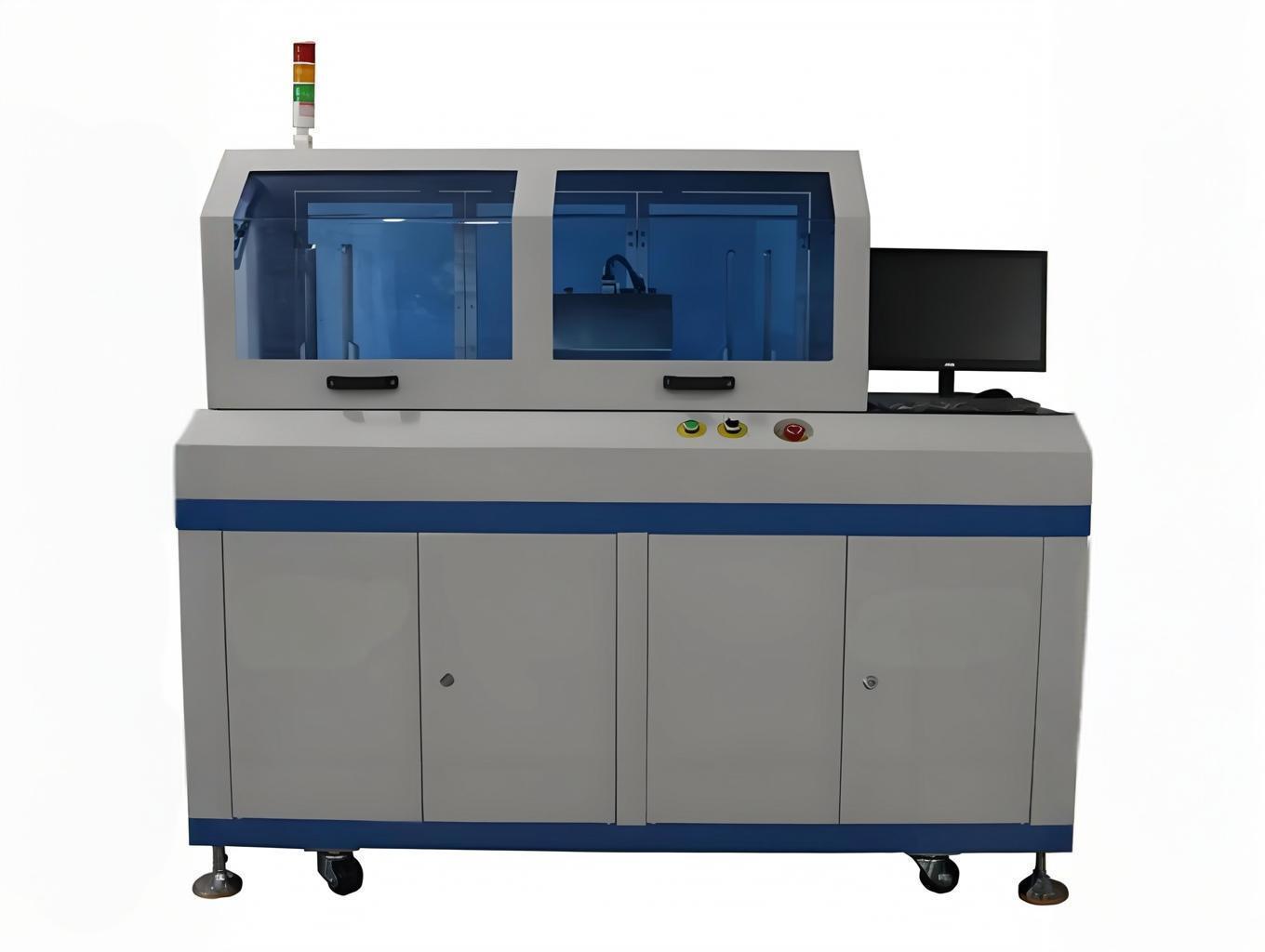
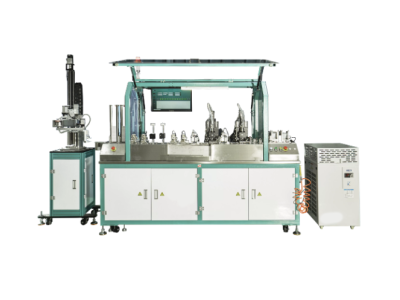
Verification closes the traceability loop by tying a unique serial to a written and read-back record. Equipment: IC Card Data Verification Machine.
Where Traceability Quietly Breaks
✓ The file and the card have parted company
A job file is revised during a run and the operator reloads it without closing the first version. Both sets of cards read correctly, but only one matches the customer list.
✓ Retries disappear from the record
A marginal write succeeds on the third attempt and the log keeps only the final pass. The early failures are lost, and a degrading station looks healthy until it stops.
✓ Rework rewrites history
A rejected card is reprocessed and its original event is overwritten. The audit trail shows a clean batch while the customer sees a mixed one.
✓ The mark drifts from the chip
A printing head slips one position and the visible serial no longer matches the electronic identity. Without an optical cross-check the error ships in perfect-looking cards.
Reference Fields for a Batch Record
These fields describe a practical manufacturing record, not a universal data standard. Card type, chip operating system, customer contract and regional privacy rules change what may be stored, so agree the schema and retention period before the line is configured.
Where a Traceable Batch Pays Back
Traceability costs a little configuration time and saves an enormous amount of guesswork when a complaint arrives. It also protects the line, because a serial-linked event record exposes a drifting station long before a customer return does.
- Transit and access projects where a card issue must be narrowed to a specific production window.
- Bank and government programmes with a contractual audit requirement and a defined retention period.
- Contract manufacturers running several customers on the same line with different data templates.
- Lines with rework loops, where attempt history has to remain visible at final release.
- Quality teams that want a process trend by fixture rather than a monthly average for the whole plant.
Frequently Asked Questions
Is a batch number enough if every card is tested?
No. A batch number narrows a fault to thousands of cards. A serial linked to station results narrows it to one run on one fixture, which is the difference between a recall and a targeted replacement.
Does read-back slow the line down?
It adds a step, but the verification station already handles each card. Logging the result against the serial is mostly a data operation, and it removes manual reconciliation at the end of the shift.
What should happen to a card with a mismatched printed serial?
Reject it and keep the image with the event. A human decision at packing time cannot reliably repair a transport or print registration fault, and shipping it defeats the purpose of traceability.
Next Step
More equipment in this range is listed on the ZOWINDA CardMachine product page, and related application notes appear in our Industry News section.
Related reading:
- Dual-Interface Bridge Leads: Fatigue at the Transition
- Lamination Bubble Detection: Vision and Acoustic In-Line Checks
- IC Module Adhesive Dispense: Volume, Flow and Cavity Seal
- Reader Slot Contamination: Why Good Cards Fail at the Terminal
- Card Face Ink Abrasion: Why Rub Counts Decide Field Life
- Contact Plate Life: Wear, Fretting and Resistance Drift
Ready to boost your production efficiency?
Contact us for a tailored solution and quotation on inlay production, card testing and personalisation equipment.
Email: info@zowinda.com
WhatsApp: +86 186 2085 0485
 Lamination Bubble Detection: V
 Dual-Interface Bridge Leads: F
 Card Batch Traceability: Seria
 Card Edge Notch Milling: Depth
Please contact us with your request
We are ready to answer your questions.