
Intelligent Envelope Sorting System
Intelligent Envelope Sorting System: Built for Reliable Automated Production in 2026
A Intelligent Envelope Sorting System is the station that receives incoming materials or components and applies a precise, computer-controlled operation to turn them into consistently finished output. As banks, logistics operators, transit authorities and enterprises scale up card, RFID, mailing and secure-document programmes in 2026, the equipment step has moved from a back-office afterthought to a strategic production priority. This guide explains what a Intelligent Envelope Sorting System does, how it sits in the production line, the technical specifications that matter, and why a modern platform protects both throughput and quality. Whether you run a plant, a service bureau or an in-house line, selecting the right station is where performance is won or lost.
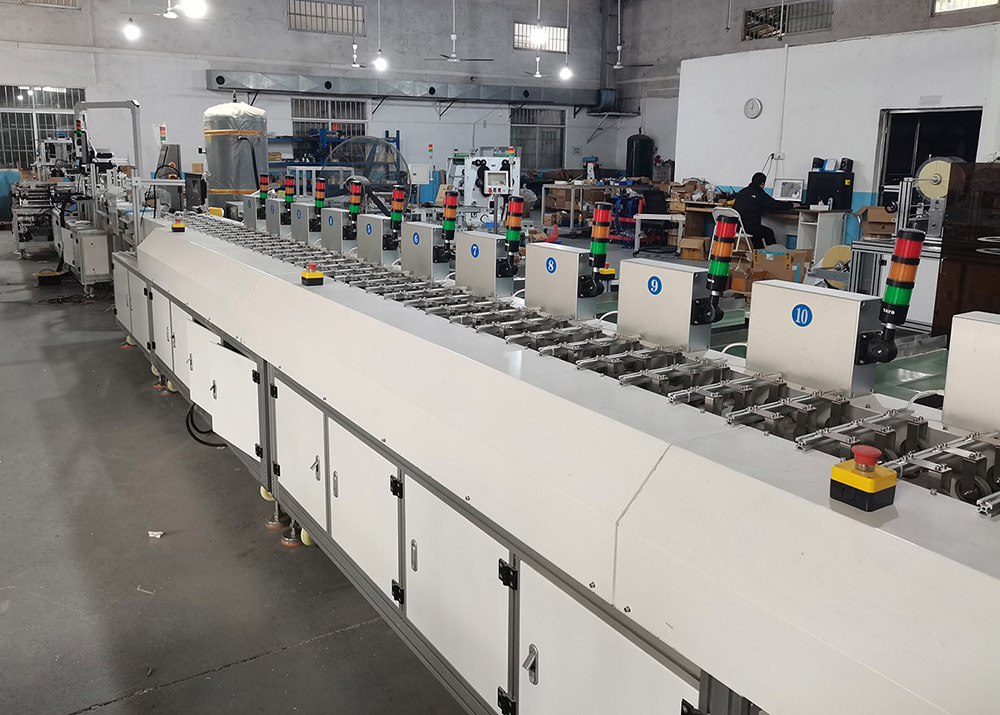
Figure: ZOWINDA Intelligent Envelope Sorting System operating on the production floor.
1. What Is the Intelligent Envelope Sorting System?
A Intelligent Envelope Sorting System is a computer-controlled workstation that performs its core process with repeatable accuracy while feeding data to the line controller. It takes incoming material or sub-assemblies from upstream stations and applies the precise operation that makes each unit consistent, then hands the result to downstream inspection and packing. The result is output that is both physically correct and electronically traceable, ready for the next stage of a card, RFID or secure-document programme. In a modern line the same machine must serve multiple product variants without manual re-tooling, which is why precision and verified operation are central to its design.
Unlike a generic bench tool, a production Intelligent Envelope Sorting System is built for volume and auditable quality. Every cycle is tracked, every exception is handled automatically, and rejects are diverted rather than shipped. That discipline is what lets a bank, government or enterprise programme trust a run of hundreds of thousands of units. In practice the machine reads a job file, executes the process, verifies the result, and sorts good output from rejects — all in a single pass at rates that scale with the configuration you choose.
2. How the Intelligent Envelope Sorting System Fits Into the Production Line
The Intelligent Envelope Sorting System sits at a defined point in the value chain, receiving material from upstream stations and delivering finished work to downstream validation. In a ZOWINDA line it is supported by adjacent stations that prepare and confirm the product: the IC Card Personalization Machine handles the high-volume operation that feeds or follows this station, while the IC Card Data Verification Machine confirms that the processed output matches the expected record before units are packed.
Correct sequencing matters. Placing this station immediately upstream of a verification and testing stage such as the Contactless Card Product Testing Machine means a unit that fails read-back is caught before it leaves the building. Getting this hand-off right is the difference between a clean audit trail and a pile of unaccounted units, which no issuer wants to explain to a scheme manager. A well-planned layout treats the Intelligent Envelope Sorting System as one node in a quality chain rather than an isolated machine.
3. Key Features and Technical Specifications
The parameters below define a production-grade Intelligent Envelope Sorting System and are the first things a buyer should compare. Throughput and accuracy set the ceiling on capacity, while the control architecture and verification logic determine how easily the station meets audit and scheme requirements. Treat the table as a baseline checklist and ask each supplier to confirm the exact numbers for the model you intend to run, because headline figures vary with card size, material and job complexity.
Beyond the headline numbers, pay attention to job management and reject handling. A station that stores many job recipes and switches between them without manual reconfiguration lets a bureau accept short-run, high-mix orders without losing a shift to setup. Equally important is automatic sortation: units that fail inspection should be diverted to a reject bin with a logged reason, so the good output is provably clean and every exception is accounted for.
4. Benefits for Manufacturers and Service Bureaus
- Consistent quality — calibrated mechanics and verified operation catch defects before they propagate downstream, protecting scheme compliance and brand trust.
- Higher throughput — one automated pass at up to 4000 units per hour keeps large issuance and production campaigns on schedule.
- Lower labour cost — the Intelligent Envelope Sorting System runs with a single operator and minimal manual handling, freeing skilled staff for higher-value work.
- Full traceability — every cycle, result and exception is logged, supporting audits and customer certification for regulated programmes.
The combined effect is a lower total cost of ownership. Manual or split-station operation loses time to handling and to units that pass one check but fail the next. Consolidating the process in one verified pass reduces labour, scrap and rework, and the saved material plus avoided recalls quickly offset the equipment investment. For operations that also run adjacent processes, pairing this station with the IC Card Personalization Machine keeps one control philosophy and one spare-parts pool across both programmes, which keeps training and service simple.
5. 2026 Industry Trends and Application Scenarios
Three forces are pushing the Intelligent Envelope Sorting System up the priority list in 2026. First, dual-interface and contactless migration continues as banks and operators replace legacy media, raising baseline volumes and the need for reliable, verified production. Second, logistics, enterprise and government programmes are consolidating operations in regional centres, which rewards lines that can switch job types quickly. Third, security and quality rules keep tightening, so verified operation and full traceability are now commercial requirements rather than nice-to-haves.
At the same time, on-demand and short-run programmes are growing, which means production equipment is no longer hidden in a remote factory — it sits where footprint and ease of use matter. Typical application scenarios include:
- Banking, payment and membership card production
- Mailing, logistics and fulfilment automation
- RFID and NFC inlay and tag manufacturing
- Identification, access-control and transit programmes
- Secure-document and personalization workflows
Because this station creates the finished unit, the quality of this step determines whether a product works on day one in the field. Investing in a verified, well-supported platform delivers compounding returns: fewer field failures, cleaner audits and a line that can absorb new programmes without re-engineering. A small improvement here reduces downstream test rejects at the Contactless Card Product Testing Machine and raises confidence in the data checks performed by the IC Card Data Verification Machine — a chain of quality that is easy to underestimate on paper but obvious on the production floor.
Frequently Asked Questions
Q1. What is the main function of the Intelligent Envelope Sorting System?
The Intelligent Envelope Sorting System performs its defined production process with calibrated, computer-controlled accuracy and verifies each result before passing units downstream. It is built for volume rather than occasional use, so every cycle is tracked and exceptions are handled automatically. ZOWINDA designs it to integrate with adjacent stations such as the IC Card Personalization Machine, giving buyers one control philosophy across the line.
Q2. How fast can it run, and what limits speed?
Production models reach up to 4000 units per hour, but real speed depends on material, job complexity and the verification steps required. Denser processes and longer inspection routines slow each unit, so a quoted maximum is a ceiling rather than a promise. The right question is sustainable throughput for your typical job, which is why the station should be tested with your real material and data before purchase rather than against a vendor demo.
Q3. How does the machine guarantee quality and traceability?
Each unit is processed and then evaluated immediately; anything that fails the verify step is diverted to a reject bin with a logged reason. Combined with a separate IC Card Data Verification Machine verification stage and a final electrical Contactless Card Product Testing Machine, this gives an auditable chain from input to packed output. That trail is what scheme managers and auditors expect, and it is what protects a programme from shipping units that look right but fail in the field.
Q4. Can one machine handle different product types?
Yes. Because operation is driven by a job recipe, the same hardware serves multiple card, RFID and secure-document variants simply by loading a different programme and parameters. This is what makes the Intelligent Envelope Sorting System attractive to bureaus that run mixed portfolios: one line, one operator skill set and one spare-parts list cover many schemes, and changeover between jobs takes minutes instead of a rebuild of the station.
Ready to upgrade your production line?
Contact ZOWINDA for a tailored Intelligent Envelope Sorting System solution and a competitive quotation.
Email: info@zowinda.com
WhatsApp: +86 186 2085 0485
Published: November 02, 2026 | Source: ZOWINDA product documentation for the Intelligent Envelope Sorting System.
 Smart Card Cavity Milling Mach
 Automatic IC Module Implanting
 Integrated Inlay Manufacturing
 Intelligent Envelope Sorting S
Please contact us with your request
We are ready to answer your questions.