
RFID Antenna Etching Wastewater Treatment and Environmental Compliance
RFID Antenna Etching Wastewater Treatment and Environmental Compliance
Publish Date: 2026-09-14
Wet-etching remains a widely used method to pattern aluminum or copper antennas on RFID inlays. The etchant bath and rinse water carry dissolved metal and acidic residues that must be treated before discharge. This article outlines the wastewater stream, treatment train, and compliance practices that keep an etching line both productive and responsible.
The Etching Wastewater Stream
After the resist-protected foil is etched, the spent etchant holds dissolved metal ions (Al3+ or Cu2+), residual acid, and organic resist fragments. Rinse stages dilute but multiply the volume. Left untreated, this stream violates discharge limits on heavy metals and pH. A compliant line captures the etchant for regeneration or metal recovery, then neutralizes and filters the rinse before any outfall.

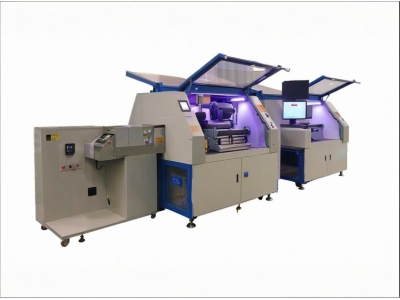
Etching and rinse stages on an RFID inlay antenna production line.
Treatment Train and Recovery
Metal Recovery
Ion-exchange or electrolytic recovery retrieves copper as salable cathode sheet, turning a waste cost into a material return and shrinking sludge volume.
Neutralization & Filtration
pH is raised with caustic to precipitate remaining hydroxides; multi-stage filtration and activated carbon polish the effluent to local discharge limits.
Key Compliance Parameters
Planning a compliant etching line or upgrading treatment?
Contact us for process and environmental compliance guidance.
Email: info@zowinda.com
WhatsApp: +86 186 2085 0485
RFID Antenna Etching Wastewate
Thermal Lamination vs Solvent-
Edge Computing and IIoT Data I
 How Smart Cards Are Made: Proc
Please contact us with your request
We are ready to answer your questions.