
Smart Card Module Encapsulation: Epoxy vs Polyurethane vs UV Resin
Smart Card Module Encapsulation: Epoxy vs Polyurethane vs UV Resin
Publish date: 2026-09-07
After the chip module is milled into the card cavity and bonded, it must be protected. The encapsulant - the resin that seals and stabilizes the module - quietly determines long-term reliability. This article compares the three common encapsulation materials and their production trade-offs.
Why Encapsulation Matters
The module sits at the most stressed point of the card. Without a stable encapsulant, thermal cycling and handling gradually crack the bond, lift the module, or break electrical contact. The right resin absorbs stress, fills the cavity, and locks the module for the card's service life.
Epoxy Encapsulation
Two-part epoxy is the traditional workhorse: high mechanical strength, excellent adhesion, and strong chemical resistance. Its downside is a longer cure time and rigidity - it transfers stress rather than absorbing it, so formulation matters for flexible cards.
Polyurethane (PU) Encapsulation
PU offers elastomeric flexibility and outstanding low-temperature performance, cushioning the module against impact and bending. It tolerates humidity well. The trade-off is slower cure and sensitivity to moisture during dispensing, which demands a controlled environment.
UV-Curable Resin
UV resin cures in seconds under light, enabling very high line speeds and precise dispensing. It is ideal for high-volume inline encapsulation. Limitations include shallow cure depth and the need for good surface wetting; shadowed areas may stay uncured.
Selection Guidance
Choose epoxy for maximum rigidity and adhesion, polyurethane where flexibility and impact resistance are critical, and UV resin when throughput dominates. Validate the chosen material against your card body and lamination profile to avoid delamination at the module edge.

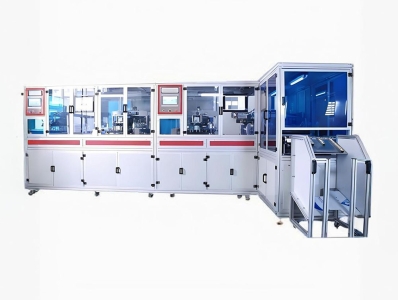
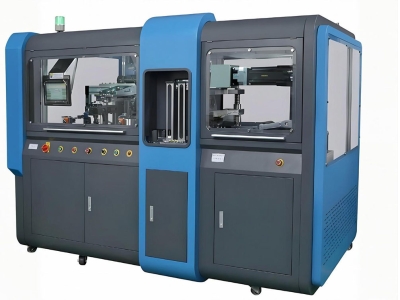
Zowinda module implanting and encapsulation lines support epoxy, PU, and UV resin processes.
Key Advantages at a Glance
Epoxy: Rigid Strength
High adhesion and chemical resistance for stable modules.
PU: Flexible Cushion
Absorbs impact and bending; great low-temperature performance.
UV: Fast Throughput
Seconds-long cure enables high-speed inline production.
Technical Reference
Ready to upgrade your production line?
Contact us for a tailored solution and quotation.
Email: info@zowinda.com
WhatsApp: +86 186 2085 0485
 Revolutionizing Card Productio
 Unlock Precision and Efficienc
 Product Webpage Promotion Copy
 Manual IC Module Punching Mach
Please contact us with your request
We are ready to answer your questions.