
Anti-Metal RFID Tags: Shielding, Tuning & On-Metal Read Performance
Anti-Metal RFID Tags: Shielding, Tuning & On-Metal Read Performance
Publish date: 2026-09-07
Put a normal UHF tag on a steel beam and its read range can drop from meters to almost nothing. Metal reflects and cancels the RF field. Anti-metal (on-metal) tags solve this with smart construction. This guide explains how they work and how to engineer them for reliable industrial reads.
Why Metal Kills Read Range
A dipole antenna expects free space. Near a metal surface, induced currents create an opposing field that detunes the antenna and shifts its impedance, collapsing the match to the chip. The result is a tag that works in the lab but fails on the asset it was meant to track.
Ferrite Shielding
A thin ferrite layer between the antenna and the metal redirects magnetic flux and isolates the tag from the conductive surface. Ferrite-backed tags recover stable read range on steel and are the standard solution for asset and tool tracking in factories.
Air-Gap and Spacer Designs
Physically separating the antenna from the metal with a foam or engineered spacer restores performance without ferrite. The gap length sets the effective distance; thicker spacers help but increase tag thickness, a constraint for embedded or label applications.
Impedance Tuning for the Target
On-metal tags are tuned to present the chip's conjugate impedance at the operating band while mounted. Engineers adjust trace geometry and matching stubs, then verify with a vector network analyzer and live reads on the actual metal type - steel, aluminum, and stainless each behave differently.
Deployment Checklist
Match the tag to the specific metal, confirm the regional UHF band, and test on the real asset before rollout. Label-style on-metal tags suit IT and tools; rugged encapsulated tags suit pipes, vehicles, and outdoor infrastructure.

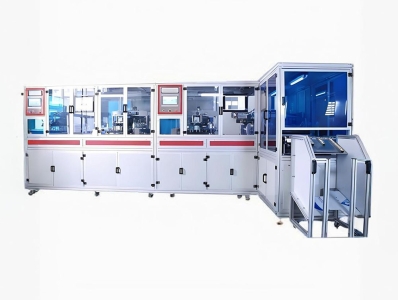
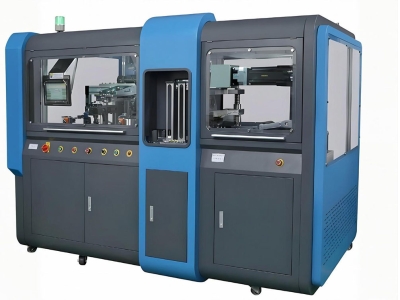
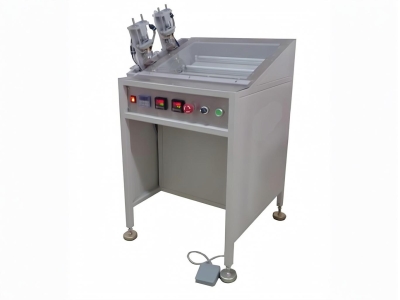
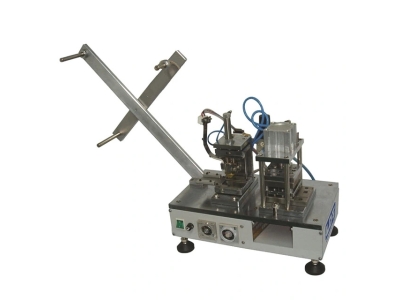
Zowinda RFID inlay and converting equipment supports tuned on-metal tag production.
Key Advantages at a Glance
Ferrite: Isolates
Redirects flux to restore range on conductive surfaces.
Spacer: Separates
Air gap tuning without ferrite, at the cost of thickness.
Tuning: Matches
VNA-verified impedance for the real metal type.
Technical Reference
Ready to upgrade your production line?
Contact us for a tailored solution and quotation.
Email: info@zowinda.com
WhatsApp: +86 186 2085 0485
 Revolutionizing Card Productio
 Unlock Precision and Efficienc
 Product Webpage Promotion Copy
 Manual IC Module Punching Mach
Please contact us with your request
We are ready to answer your questions.