
Smart Card Pre-Personalization vs Personalization: Understanding the Two-Stage Workflow
Smart Card Pre-Personalization vs Personalization: Understanding the Two-Stage Workflow
Published: 2026-08-24
In high-volume smart card production, the terms "pre-personalization" and "personalization" are often confused. Treating them as one step leads to misconfigured lines, data errors, and rework. This guide separates the two stages, shows where each belongs on the production floor, and explains how to size equipment correctly.
What Is Pre-Personalization?
Pre-personalization writes the common, identical data shared by every card in a batch: the card operating system (COS) loader, issuer keys, file structures, and static applications. It happens before any card is assigned to an individual. Because the data is identical, this stage is highly parallel and well suited to contactless encoding stations operating at full web speed.

A multi-station encoding line writing issuer data during pre-personalization.
What Is Personalization?
Personalization writes the unique per-card data: the printed name, card number, expiration date, biometric template, and the individual cryptographic credentials bound to that specific cardholder. This stage typically follows printing and is the last write before quality verification. It is usually the throughput bottleneck because every record differs.
Key Differences at a Glance
Pre-Personalization
Same data for all cards. Runs early, in parallel, at web speed. Lower risk, no cardholder PII.
Personalization
Unique data per card. Runs after printing. Handles PII, keys, and is the usual throughput limit.
Typical Equipment Parameters
Ready to optimize your card production line?
Contact us for a tailored encoding and personalization solution with verified throughput.
Email: info@zowinda.com
WhatsApp: +86 186 2085 0485
 Automatic 3D Curved Antenna Em
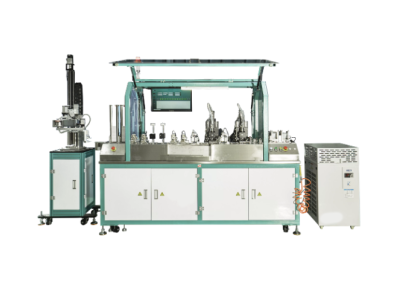 Automatic Module Testing Machi
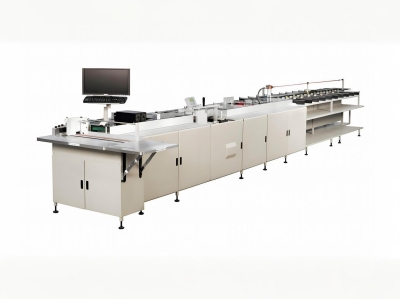 Auto Envelope Sealing and Labe
 Automated Card Sealing Labelin
Please contact us with your request
We are ready to answer your questions.