
RFID Inlay Sheet Singulation and Stacking: Automation for High-Volume Converting
RFID Inlay Sheet Singulation and Stacking: Automation for High-Volume Converting
Publish Date: 2026-09-16
After lamination, an RFID inlay exists as a large sheet holding dozens of individual units. Converting that sheet into separated, neatly stacked inlays is where converting speed and yield are won or lost. Manual handling is slow and damages antennas; automated singulation and stacking keep throughput high and scrap low. This article covers the equipment logic and the parameters that matter.
From Laminated Sheet to Clean Inlay Stack
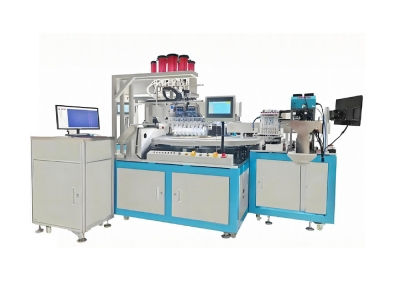
A singulation press or rotary cutter separates each inlay along pre-laminated cut lines, ideally with a slight chamfer that avoids micro-cracks in the antenna trace. Vision or electrical test at the cutter can flag units that failed lamination (open antenna, shorted IC) and divert them before they enter the good stack. A robotic or vacuum stacking system then collates good units into counted, aligned piles ready for the next process. The whole cell is tuned so cutting speed never outruns the stacker's ability to keep piles tidy.

Automated cell singulating and stacking RFID inlay sheets into counted piles.
What Makes a Singulation Cell Reliable
Cut Accuracy & Edge Quality
Tight die registration and a clean cut edge prevent antenna nicks and delamination at the cut. Chamfered corners reduce handling damage and improve downstream placement.
Inline Reject & Stacking
Electrical or vision testing at the cutter diverts bad units; the stacker counts and aligns good units, so operators only handle verified, ordered piles.
Key Converting Parameters
Scaling up inlay converting without losing yield?
Contact us for singulation and stacking cell recommendations for your volume and format.
Email: info@zowinda.com
WhatsApp: +86 186 2085 0485
Smart Card Overlaminate and En
RFID Inlay Sheet Singulation a
Card Body Calendering and Shee
 RFID vs NFC Smart Cards: Compl
Please contact us with your request
We are ready to answer your questions.