
Card Body Calendering and Sheet Conditioning: Flatness, Thickness Uniformity and Web Handling
Card Body Calendering and Sheet Conditioning: Flatness, Thickness Uniformity and Web Handling
Publish Date: 2026-09-16
Before a smart card body is laminated, the printed cores and overlays must be dimensionally stable and dead flat. Warped, uneven, or moisture-laden sheets cause voids, delamination, and bad registration downstream. Calendering and sheet conditioning are the preparatory steps that remove that variability. This article explains how they work and why they pay back across the whole line.
Why Pre-Lamination Sheet Quality Decides the Final Card
A printed card core is a thin composite of PVC, PET-G, or PC layers with ink and adhesive films. As it cools after printing it can curl, shrink, or hold moisture. If those sheets go straight into the laminator, the stack compresses unevenly and trapped air becomes a void. Calendering passes the sheet through heated rollers that gently level thickness and relieve internal stress; sheet conditioning then stabilizes it in a controlled environment to a target moisture and flatness. The result is a stack that laminates with uniform nip pressure and predictable bond lines.

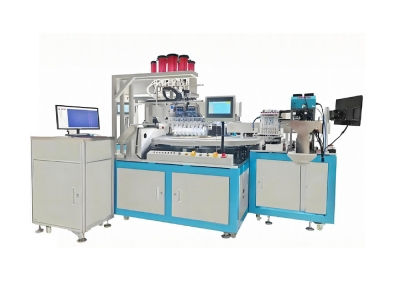
Calendering station leveling printed card body sheets before lamination.
The Two Conditioning Steps
Calendering (Roll Leveling)
Heated counter-rotating rollers apply light, even pressure that evens out thickness variation and removes micro-waviness. Tight roller gap control keeps the sheet within microns of target gauge.
Environmental Conditioning
Sheets rest in a temperature- and humidity-controlled buffer so ink solvents finish off-gassing and moisture equilibrates, preventing post-lamination curl and dimensional drift.
Target Conditioning Parameters
Want flatter, void-free card bodies off your laminator?
Contact us for sheet conditioning and calendering recommendations matched to your substrate mix.
Email: info@zowinda.com
WhatsApp: +86 186 2085 0485
Smart Card Overlaminate and En
RFID Inlay Sheet Singulation a
Card Body Calendering and Shee
 RFID vs NFC Smart Cards: Compl
Please contact us with your request
We are ready to answer your questions.