
Smart Card Overlaminate and Encapsulation Resin Selection: Chemical Resistance and Service Life
Smart Card Overlaminate and Encapsulation Resin Selection: Chemical Resistance and Service Life
Publish Date: 2026-09-16
The outermost layer of a smart card is its first line of defense against abrasion, solvents, and weather. Choosing the wrong overlaminate or encapsulation resin shortens card life and fades the print. This article walks through the material options and the tests that prove a card will survive its intended environment.
The Protective Skin of the Card
An overlaminate is a thin transparent film fused onto the printed surface during lamination, while encapsulation resin is the adhesive or coating that bonds and seals internal layers (and, in some designs, coats the module). The film must resist scratching and common chemicals - alcohols in wipes, hand sanitizer, cleaning agents - without hazing or delaminating. Resin must hold adhesion through temperature cycling and flexing. The base substrate (PVC, PET-G, PC) sets the compatibility envelope: a PET-G body pairs better with certain overlay chemistries than PVC does, and PC demands higher lamination temperatures that constrain film choice.

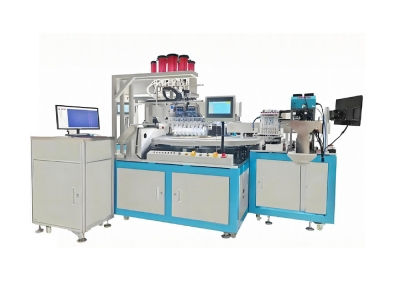
Overlaminate film being fused onto a printed smart card body during lamination.
Selection Criteria That Matter
Chemical & Abrasion Resistance
Overlaminates are rated for Taber abrasion and solvent exposure. Pick a film whose rating matches the harshest cleaner the card will meet in the field.
Adhesion & Thermal Match
Resin and film must bond to the substrate at the chosen lamination temperature with no out-gassing or yellowing, and keep that bond through thermal cycling.
Representative Material Parameters
Need a card that survives your field environment?
Contact us for overlaminate and resin selection guidance tuned to your substrate and use case.
Email: info@zowinda.com
WhatsApp: +86 186 2085 0485
Smart Card Overlaminate and En
RFID Inlay Sheet Singulation a
Card Body Calendering and Shee
 RFID vs NFC Smart Cards: Compl
Please contact us with your request
We are ready to answer your questions.