
RFID Inlay Roll-to-Roll Testing and Inspection: Catching Bad Tags Before They Ship
RFID Inlay Roll-to-Roll Testing and Inspection: Catching Bad Tags Before They Ship
Published: 2026-08-19
A reel of RFID inlays can contain tens of thousands of units, and a single open antenna or dead chip turns into a misread label downstream. Roll-to-roll testing inspects every inlay on the converting web — at full line speed — so defective units are marked, skipped, or ejected before they become someone else's problem. This guide covers the test methods, the gates that matter, and how to read the yield data they produce.
Why 100% Inline Testing Beats Sampling
Sampling a few tags per roll tells you almost nothing about the rest of the web. Antenna etch faults, IC placement drift, and bonding voids are not evenly distributed — they cluster around tension transients and material splices. Inline roll-to-roll testers interrogate every inlay: they check antenna continuity, write a test pattern to the chip, read it back, and measure read sensitivity. Units that fail are flagged with an ink mark or a digital 'do-not-use' index, giving a true first-pass yield number instead of a guess.

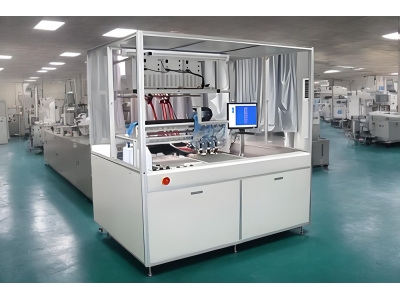
A roll-to-roll RFID inlay tester verifying antenna continuity and chip response on a moving web.
Inspection Gates That Matter
Antenna Continuity Check
Capacitance or RF coupling detects open or shorted antennas before the chip is even tested, removing the most common defect class first.
Chip Encode / Read-Back
Each IC is written with a test EPC and read back; mismatches or non-responding chips are marked as reject inline.
Sensitivity / Performance Test
Measures the power level at which the tag responds, flagging marginal units that would fail at the customer's read range.
Yield & Defect Mapping
Per-roll logs map defect positions, letting converters correlate faults to web speed, tension, or material lot.
Typical Test-Line Parameters
Ready to upgrade your production line?
Contact us for a tailored solution and quotation
Email: info@zowinda.com
WhatsApp: +86 186 2085 0485
 Revolutionizing the Contactles
 Auto Hole Punching Machine - T
 Partner 5
 PT087 Passport Bending Fatigue
Please contact us with your request
We are ready to answer your questions.