
Inline RFID Encoding vs Offline Encoding: Throughput and Data Integrity Trade-offs
Inline RFID Encoding vs Offline Encoding: Throughput and Data Integrity Trade-offs
Publish date: 2026-09-01
Choosing between inline and offline RFID encoding changes the throughput ceiling, rework rate, and data-integrity guarantees of a smart-card or inlay production line. This guide compares the two architectures so line designers can match the method to volume and compliance requirements.
How Inline Encoding Works
Inline encoding writes the unique identifier, user memory, and application data while the card or inlay is still in the web or sheet transport, immediately after personalization. A contactless reader head mounted on the conveyor talks to the transponder between stations, so every unit is verified before it leaves the machine. Because verification happens in motion, a failed write can trigger an automated reject gate without stopping the line.

Inline contactless encoding station verifying each transponder at line speed.
Where Offline Encoding Fits
Batch control
Offline encoding uses a dedicated desktop or bench programmer after printing and lamination, which suits low-volume, high-mix jobs where every card carries a different application profile.
Rework flexibility
Suspect units are set aside and reprogrammed without disrupting the main press, keeping the personalization line at full utilization.
Decision Parameters
Ready to improve your production efficiency?
Contact us for a tailored solution and quotation
Email: info@zowinda.com
WhatsApp: +86 186 2085 0485
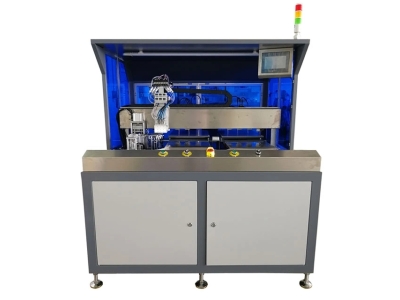 Auto COB Pick and Placer Machi
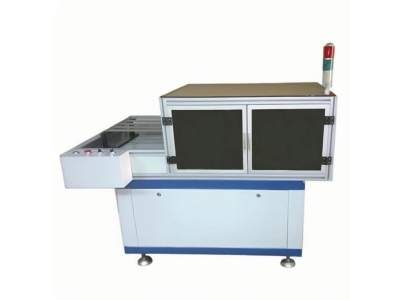 Auto Hole Punching Machine – P
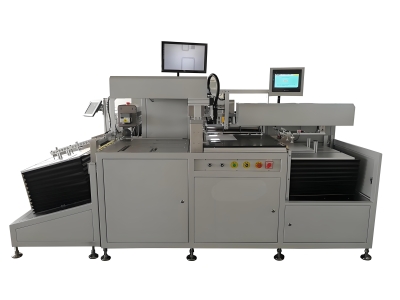 Auto Sheet Shearing Machine -
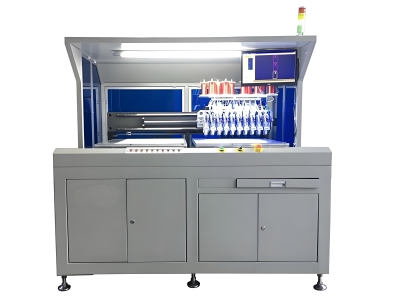 Auto Antenna Embedding Machine
Please contact us with your request
We are ready to answer your questions.