
DOD Inkjet Printing System for Smart Card Personalization: Drop-on-Demand Technology Explained
DOD Inkjet Printing System: Drop-on-Demand Printing for Smart Card Personalization
Published: July 31, 2026 | Category: Smart Card Personalization Equipment
Personalization is the stage where a blank smart card, ID badge, or RFID label becomes a unique, identifiable object. Names, card numbers, expiry dates, barcodes, QR codes, member photos, and security marks must be printed reliably on every single unit -- often with no two cards alike. The Drop-on-Demand (DOD) inkjet printing system has become a preferred technology for this task, replacing slower thermal-transfer and offset approaches with high-resolution, plateless, fully variable printing. This guide explains how DOD printing works, what to evaluate before purchasing, and why it fits modern card production lines.
What Is Drop-on-Demand Inkjet Printing?
Drop-on-Demand inkjet is a digital printing method that ejects tiny ink droplets only where needed, directly onto the card surface, under precise software control. Unlike offset or screen printing, DOD requires no printing plates, cliches, or ribbons pre-configured for a fixed layout. Each card receives a unique image computed on the fly, making it ideal for variable data printing (VDP) such as serialized numbers, individual photos, and one-off security codes.
Two sub-technologies dominate the card-personalization space: piezo-driven DOD heads (durable, broad ink compatibility) and thermal DOD heads (cost-effective, high native resolution). Modern card lines increasingly favor piezo DOD because it supports UV-curable, white, and protective varnish inks -- opening up full-color printing on both light and dark card bodies without pre-printed panels.
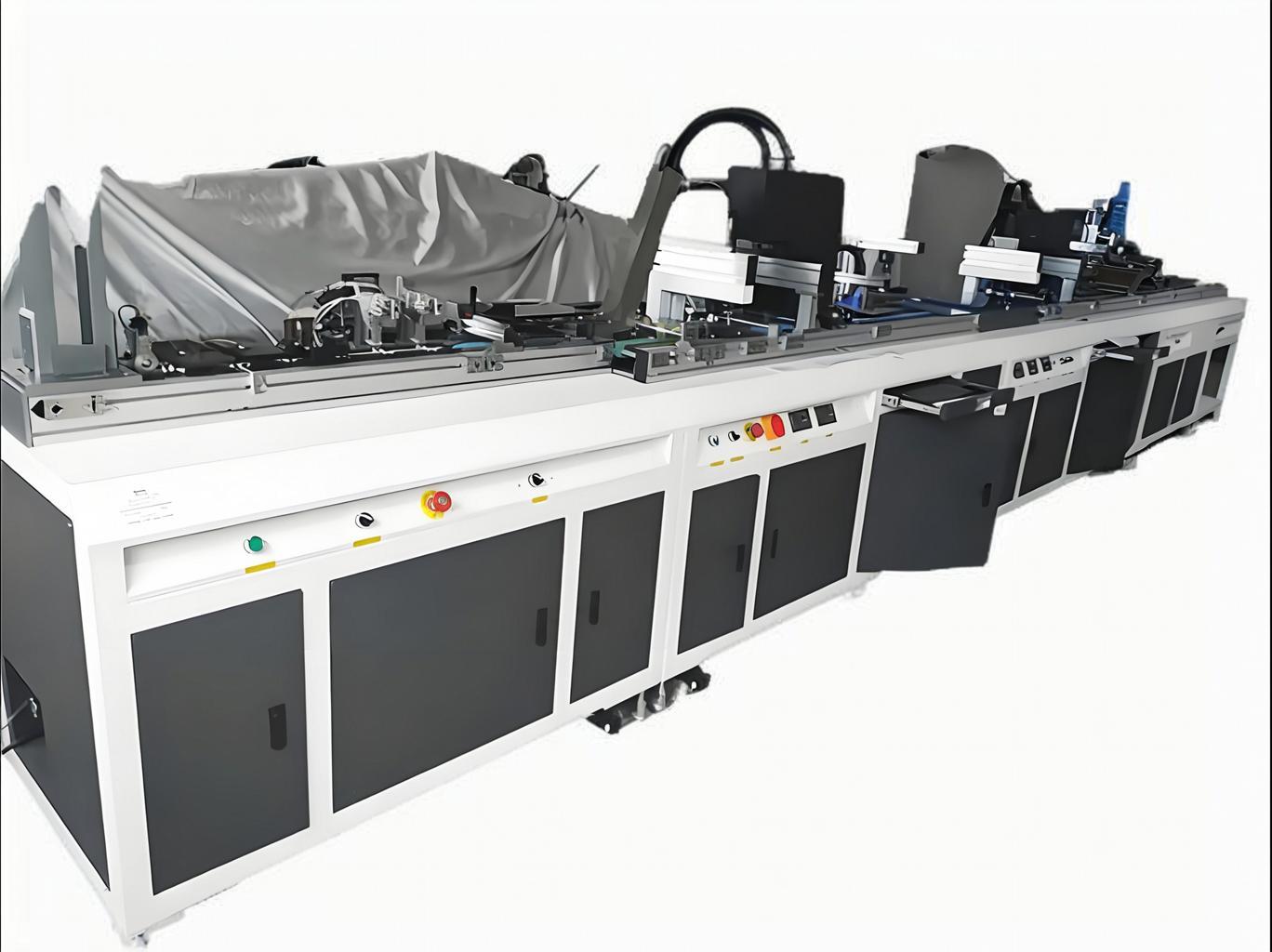
Figure 1: DOD inkjet printing station printing variable data directly onto smart card surfaces
Core Capabilities of a DOD Printing System
True Variable Data
Every card can carry a different name, number, barcode, and image without stopping the line. Serialization, QR codes, and member photos print at full production speed with no plate changes.
High Resolution Output
Native print resolution up to 600 x 600 dpi (and higher with multi-pass modes) yields crisp text, scannable barcodes, and photo-quality images that satisfy banking and government ID requirements.
Multi-Ink Flexibility
CMYK process color plus white and clear varnish channels enable printing on transparent, metallic, and dark substrates -- extending design freedom beyond traditional pre-printed panels.
Inline Integration
DOD modules mount directly into existing personalization lines alongside embossing, encoding, laminating, and milling stations, sharing a single transport and control system.
Typical System Architecture
- Card Transport: A registered belt or friction feeder presents each card to the print station with sub-millimeter positional accuracy, ensuring print lands in the correct zone.
- Print Head Assembly: One or more DOD heads sweep or scan across the card width. UV-curable systems include a curing lamp immediately downstream of the heads.
- Ink Supply & Circulation: Sealed ink tanks with degassing and temperature control maintain viscosity for consistent drop volume and prevent nozzle clogging.
- Vision Inspection (Optional): A camera verifies printed quality (barcode readability, registration, missing elements) and rejects defective cards automatically.
- Control Software: A job manager imports personalization data (CSV, database, or host API), maps fields to print zones, and logs every card for traceability.
Technical Specifications
DOD vs. Alternative Card Printing Methods
What to Evaluate Before Purchasing
- Volume Profile: Match rated throughput to your peak demand. DOD shines for mid-to-high mixed batches; for pure mass-identical jobs, pre-print plus simple encoding may be cheaper.
- Ink Economics: Request a cost-per-card estimate including color coverage, white, and varnish. UV inks cost more but enable printing on difficult substrates without pre-printed panels.
- Substrate Range: Confirm the system handles your actual card materials -- especially transparent, metallic, or composite bodies common in RFID and access cards.
- Data Security: For banking and government work, verify that personalization data is handled per PCI-DSS / GDPR expectations and that logs can be purged after production.
- Integration: Check mechanical and software interfaces to your existing embossing, encoding, and laminating stations so the DOD module drops into the line without custom fabrication.
Ready to Upgrade Your Card Personalization?
Contact our engineering team for a system proposal, sample prints, or an on-site demonstration tailored to your throughput and substrate requirements.
Email: [email protected]
WhatsApp: +86 186 2085 0485
 RFID Antenna Etching Wastewate
Thermal Lamination vs Solvent-
Edge Computing and IIoT Data I
RFID Antenna Etching Wastewate
Thermal Lamination vs Solvent-
Edge Computing and IIoT Data I
 How Smart Cards Are Made: Proc
Please contact us with your request
We are ready to answer your questions.