
Inlay Insertion vs. Encoding: Critical Steps in Smart Card Personalization
Inlay Insertion vs. Encoding: Critical Steps in Smart Card Personalization
Understanding the key differences and best practices for smart card production
Smart card personalization involves multiple critical steps, with inlay insertion and encoding being two of the most important. This article explains the differences between these processes, their role in smart card production, and how to optimize them for maximum efficiency and quality.
What is Inlay Insertion?
Inlay insertion is the process of placing the RFID antenna (inlay) into the smart card body during manufacturing. This step is critical because:
- The inlay enables contactless communication
- Precise placement ensures optimal reading distance
- Misalignment can cause reading failures
Key Parameters:
- Placement accuracy: ±0.1mm
- Speed: 3,000-6,000 cards/hour
- Automatic vision alignment recommended
What is Encoding?
Encoding is the process of writing data to the smart card chip or memory. This includes:
- Contact card encoding: Writing to the chip via physical contact
- Contactless encoding: Writing via RFID/NFC interface
- Dual-interface encoding: Both contact and contactless
Key Parameters:
- Encoding speed: 5-10 seconds per card
- Data verification: 100% verification recommended
- Supported standards: ISO 7816, ISO 14443, etc.
Inlay Insertion vs. Encoding: Key Differences
| Aspect | Inlay Insertion | Encoding |
|---|---|---|
| Purpose | Physical placement of antenna | Writing data to chip |
| Timing | During card manufacturing | During personalization |
| Equipment | Inlay insertion machine | Encoding machine/station |
| Quality Check | Vision inspection | Data verification |
Best Practices for Both Processes
For Inlay Insertion:
- Use vision-guided placement system
- Implement automatic rejection for misaligned inlays
- Regular calibration of placement head
- Use high-quality adhesive for inlay fixing
For Encoding:
- 100% data verification after encoding
- Use secure encoding protocols (encryption if needed)
- Implement error handling and retry logic
- Maintain encoding logs for traceability
ZOWINDA Equipment for Inlay Insertion & Encoding
Integrated solutions for both processes with high precision and reliability
Contact Us: [email protected]Frequently Asked Questions
Q: Can inlay insertion and encoding be done in one machine?
A: Yes! Many modern machines offer integrated inlay insertion and encoding in one system, improving efficiency and reducing labor costs.
Q: How accurate does inlay insertion need to be?
A: For optimal performance, inlay insertion accuracy should be ±0.1mm or better. Vision-guided systems can achieve this consistently.
Q: What encoding standards does ZOWINDA equipment support?
A: ZOWINDA equipment supports ISO 7816 (contact), ISO 14443 (contactless), and many other industry standards. Custom protocols are also available.
Need Help with Inlay Insertion or Encoding?
Contact ZOWINDA for expert advice and equipment solutions.
Email Us: [email protected]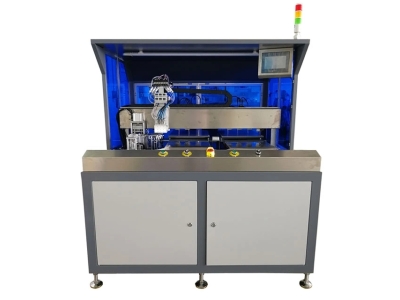 Auto COB Pick and Placer Machi
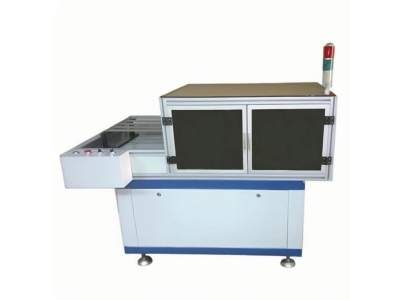 Auto Hole Punching Machine – P
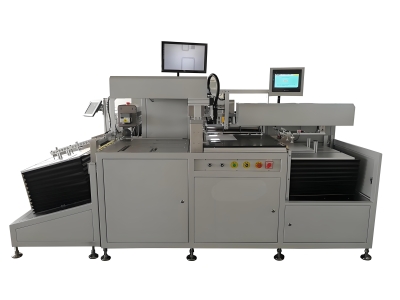 Auto Sheet Shearing Machine -
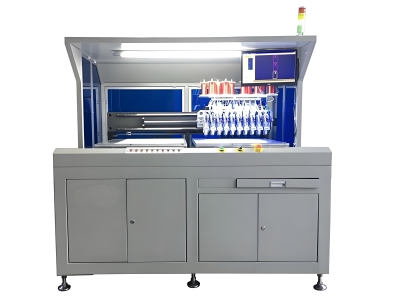 Auto Antenna Embedding Machine
Please contact us with your request
We are ready to answer your questions.